This piece was originally published on RealClearEnergy.
The rapid collapse of Olaf Scholz’s governing coalition and the decisive victory of right-wing parties signal a clear repudiation of Energiewende (energy transition) in exchange for energy policy pragmatism. The attempt to force an economically foolish energy transition onto its people turned Germany from global envy into a cautionary tale. The U.S. must heed the warning—if Congress and the administration fail to fix America’s broken regulatory process, America’s energy dominance and economic prowess could suffer a similar fate, with similar political consequences.
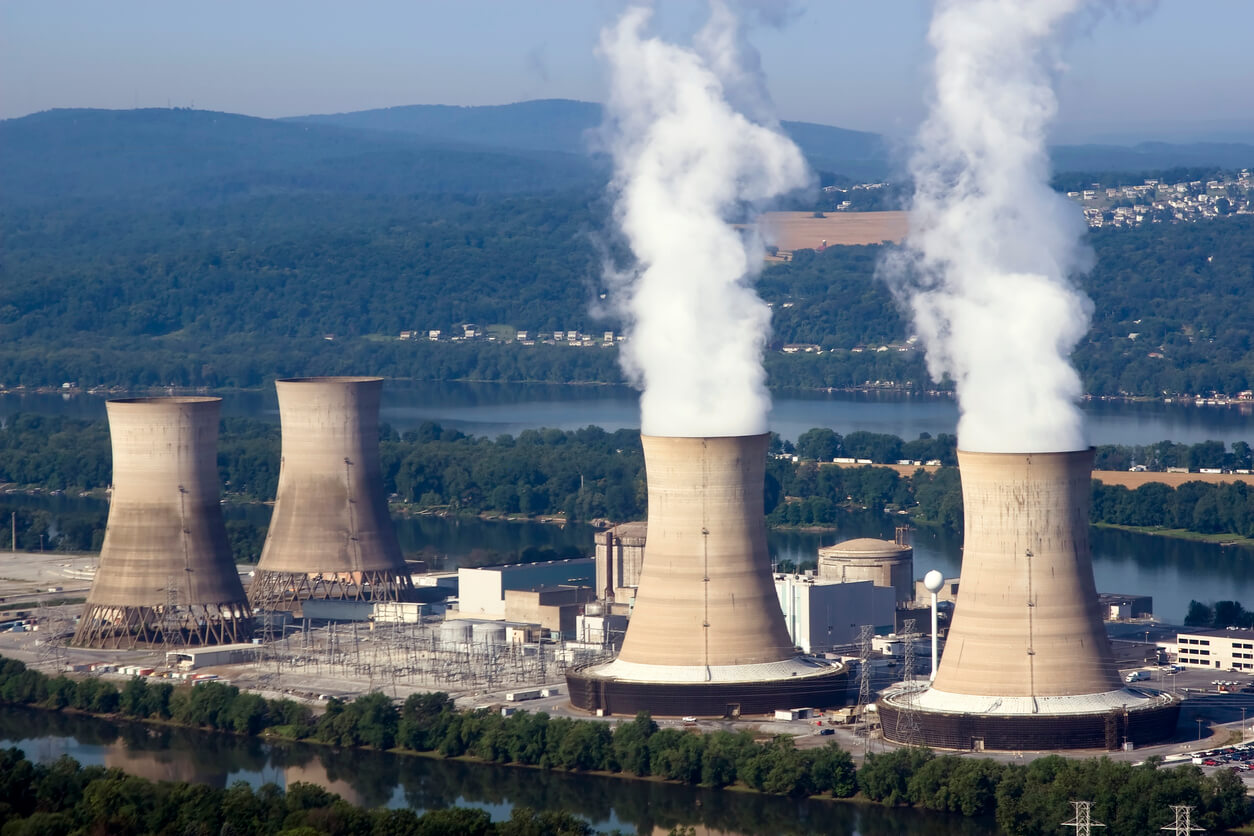
The Germans provided a case study of what not to do on energy policy. Aggressively phasing out nuclear power and expanding renewable energy has backfired on all fronts. The government’s actions have led to skyrocketing energy costs, crippled the manufacturing sector, and increased dependence on Russian energy.
German taxpayers have paid hundreds of billions of dollars in subsidies and higher energy costs. Last year, the government had to double its subsidies to ensure wind and solar producers received their minimum price requirement. Carrying through with the plan will cost an estimated half a trillion dollars over the next two decades, to be paid by German families and businesses in the form of higher energy costs.
German’s long-heralded energy-intensive manufacturers and automakers, like BASF and Volkswagen, have shuttered plants and committed to investments in other countries. Further twisting the knife is that Germany’s de facto deindustrialization has produced no climate benefit but rather an extended reliance on state-subsidized coal.
When companies have opportunities to improve efficiency, it incentivizes them to produce more with less, boosting growth and minimizing their environmental footprint. Germany’s bungled policy has had the opposite effect, with its industrial sector emitting more but producing less. A recent report from the German think tank Agora Energiewend found that industrial emissions rose 2% despite the sector shrinking its output.
An uncertain economic future creates anxiousness and apprehension among German business owners, decreasing risk-taking and entrepreneurialism. A recent survey by the Association of German Chambers of Industry and Commerce found that nearly four in ten manufacturers and large businesses are considering curbing production or relocating. Red tape and the lack of information and certainty about the future of energy supplies were the top economic risks cited by companies in the survey. The most frequently mentioned keyword in the same February 2025 survey? “Bureaucracy.”
Granted, the U.S. finds itself in a very different context. Economic and political realities indicate the U.S. is not headed toward an energy transition anytime soon. Dominance is in, transition is out. Growing energy demands will require expanding the energy pie. Even as renewables and electric vehicles become larger slices, oil and natural gas will provide most of our energy needs for decades.
>>>READ: The Glasgow Declaration, Four Years In
Just as for their German counterparts, “bureaucracy” is all too familiar for American energy developers. Red tape and litigious activists have stalled or canceled many energy projects. Everything from solar arrays to critical mineral mines, pipelines, small modular nuclear reactors, and transmission projects has been held up by needless paperwork or baseless lawsuits.
The recent energy abundance and dominance experienced in the U.S. has been due primarily to the shale revolution, which increased the oil and natural gas supply while the demand was relatively flat. Low-cost natural gas has saved households money and has been one of America’s most significant recent economic advantages, attracting many new manufacturers to the States.
America’s “Germany moment” could be more defined by what the government doesn’t do to meet the needs of the imminent energy expansion. With projected power demands substantially increasing for the first time in decades, driven by the construction of AI data centers and the increasing domestic industry, the U.S. will soon need more power. Failure to reform America’s outdated environmental statutes could endanger America’s longstanding energy dominance and fail to fully capitalize on the artificial intelligence revolution.
Regulatory and permitting improvements in the next four years should lay the groundwork for certainty and confidence in energy, manufacturing, and data center investments for the next 40 years. Bold policy changes will ensure Americans have affordable, reliable energy and provide pathways to deploy and export innovative, cleaner technologies.
In Washington, conversations about energy policy on Capitol Hill have centered on whether to use a scalpel or sledgehammer to make the necessary fixes. Make no mistake. Congress and the administration should take a sledgehammer and knock down the bureaucracy that has stunted energy investment, economic productivity, and environmental progress. Failure to do so will be America’s verpasste Chance: missed opportunity.