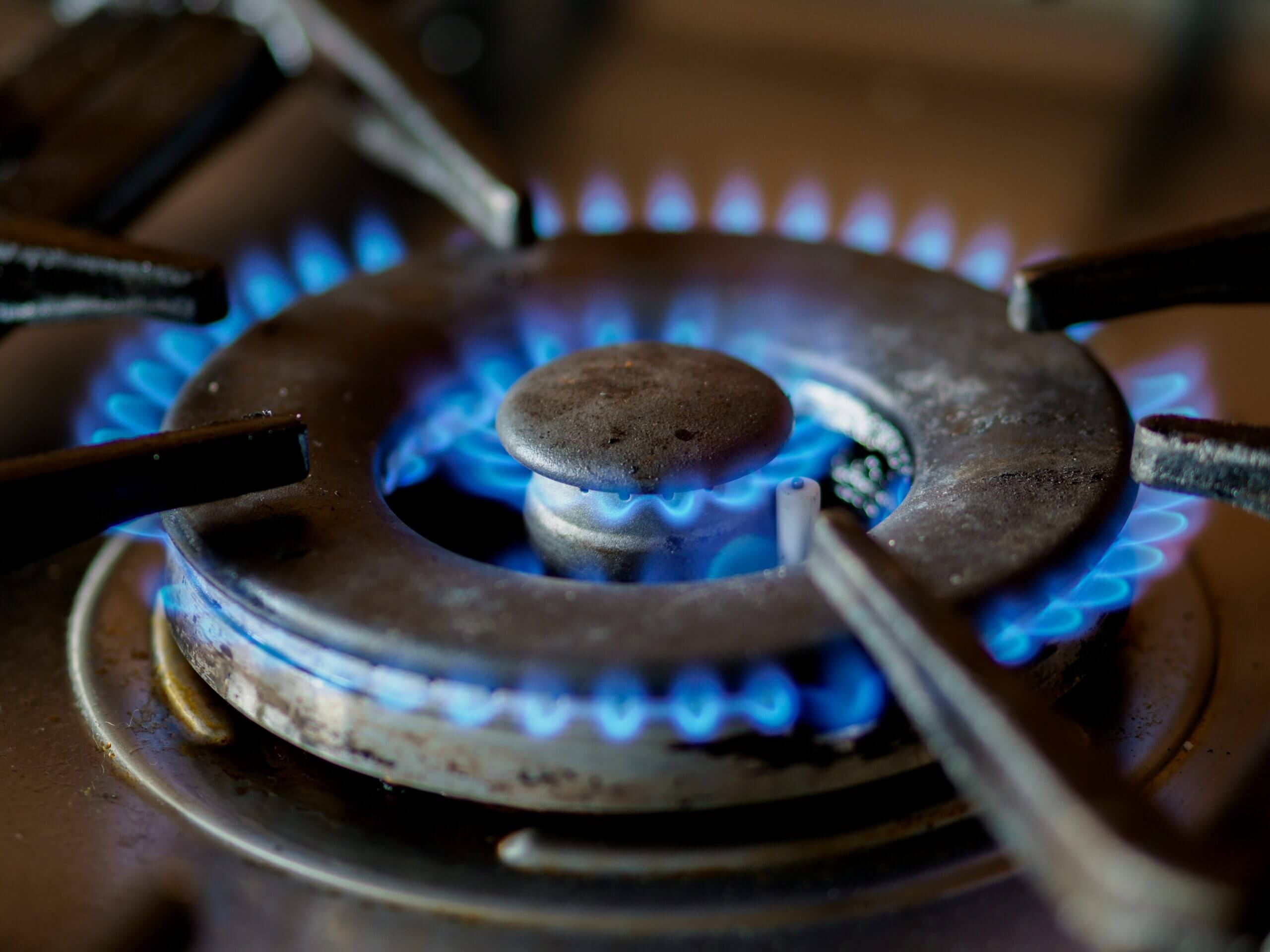
New York Governor Kathy Hochul and state lawmakers recently approved a budget that would implement furnace and gas stove bans for buildings shorter than seven stories by 2026 and for taller buildings by 2029. The mandate will be costly to families and businesses and is an affront to consumer choice. The decision also is not grounded in sound science and alienates the people New York officials want to persuade to take climate action.
>>>READ: Gas Stove Bans are Costly and Limit Consumer Choice
The Biden Administration’s victory lap on the Inflation Reduction Act got cut short in January when a Consumer Product Safety commissioner floated the idea of banning gas stoves earlier this year. The comment came shortly after the release of a widely publicized study claiming that gas stove pollution caused 12.7 percent of childhood asthma, but the study is shaky at best. In fact, several experts have dissected the asthma-gas stove study and highlighted many flaws.
Emily Oyster, an economist at Brown University, wrote, “We know that gas stoves emit nitrogen oxides and that, in general, those are not good. We know that air pollution, in general, is bad for respiratory symptoms, including asthma. Indoor, unventilated air pollution is especially problematic. So it seems very plausible that there is some link here. However: The magnitude is likely small. In most of the estimates, it’s small. And, beyond that, we do not see the kind of smoking gun in any of these data that would suggest a really consistent link.”
What you cook, how you cook, and ventilation all matter, too. Cooking meats, vegetables, and using olive oil result in higher levels of particulate matter. One study by the California Air Resources Board found that cooking tortillas and stir-frying on an electric stove produced higher levels of particulate matter than a gas stove, though the study is more than 20 years old.
The reality is people like cooking with gas and gas appliances save households money. Households that use natural gas for cooking, heating, and clothes drying save more than $1,000 per year compared to a household that relies on electricity. For New Yorkers, U.S. Energy Information Administration data shows that natural gas heat is much cheaper than electric.
If consumers want to go all-electric or gas that should be their choice. But the ban on appliances like gas stove bans represents a larger image problem that many in the climate action community face. People don’t like being told what to do. Like it or not, most consumers do not respond well when the government says: don’t cook with gas, eat fewer hamburgers, fly less, buy a small electric car, have fewer children, and consume less in general. These messages especially fail to resonate when they are draped in obvious elitism and hypocrisy.
>>>READ: Climate Radicals Come to Washington
Durable climate solutions will come from the market giving people what they want at cost-competitive prices. That may be an induction stove, a veggie burger, or a new EV. But when government forces people into fewer choices at higher prices, these policies will backfire and could ultimately slow the pace of innovation as regulatory ping-pong creates market uncertainty.
For many climate advocates, the pace of the market is much too slow to address the risks and dangers of a warming planet. If time is of the essence, then there is all the more reason for policymakers to address the government-imposed barriers to innovation, investment and construction that will raise levels of prosperity while accelerating the deployment of climate-friendly technologies. Let’s work with urgency to empower the problem solvers, not stifle them.