Policy
Affordability has quickly overtaken climate change as the primary focus of energy policy. One reason may be that the climate policies adopted over the past decade are finally starting to bind, imposing added costs at a time of rising electricity demand and, in some parts of the country, higher power bills.
By David Kemp3 min readApril 23, 2026
→
World
As the Iran war continues, oil prices keep rising. Gasoline has climbed to over $4 per gallon for the first time in four years. The ripple effects are spreading across the economy as markets that depend on affordable crude begin to absorb the disruption of roughly one-fifth of the world’s oil and liquefied natural gas that normally passes through the Strait of Hormuz. Everything from airline tickets to groceries is seeing upward pressure as the prices of jet fuel, diesel, and fertilizer all rise.
By David Kemp4 min readApril 6, 2026
→
Economics
The war with Iran has sent oil prices, and then gasoline prices, sharply higher. West Texas Intermediate (WTI) crude, the main U.S. oil benchmark, rose from the mid-$60s per barrel in late February to around $100 on March 19. U.S. gasoline prices have followed suit, with the average price increasing from a pre-war level of under $3.00 per gallon to over $3.70 by mid-March.
By David Kemp5 min readMarch 23, 2026
→
Policy
For the past two decades, U.S. climate policy has been driven more by legal and administrative maneuvering than by legislative consensus. The result has been regulatory inefficiency, policy whiplash between administrations, and little progress toward a durable, politically sustainable framework for managing climate risk.
By David Kemp4 min readFebruary 23, 2026
→
Policy
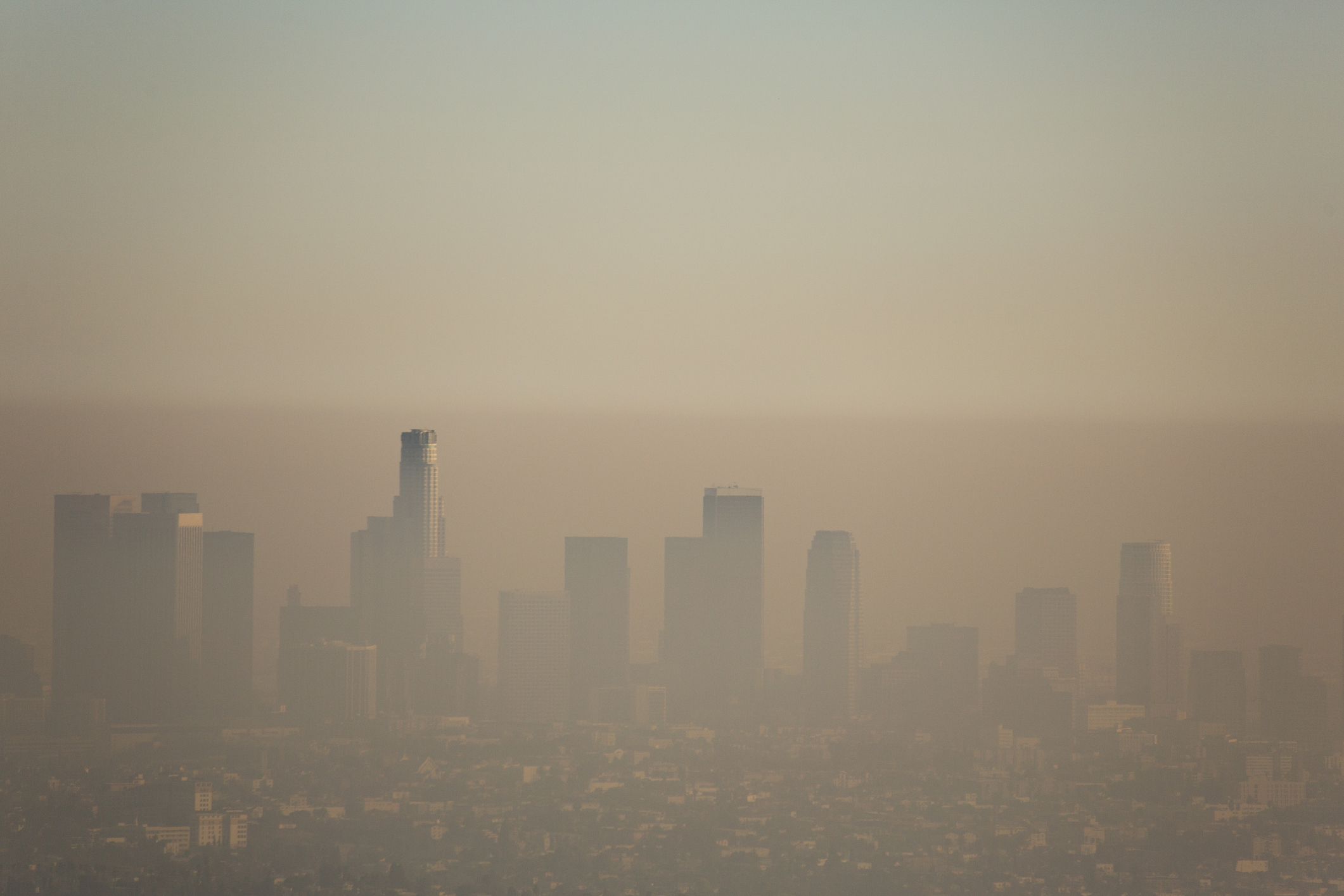
The Environmental Protection Agency’s recent decision to temporarily stop assigning dollar values to the projected health benefits of reducing fine particulate matter (PM2.5) and ozone has sparked renewed controversy over air pollution regulation. As I discussed last week, the agency framed the move as a response to persistent uncertainty in estimating PM2.5 health effects, not as a withdrawal from regulating air pollution or considering public health impacts.
By David Kemp4 min readFebruary 11, 2026
→

Popular
The Environmental Protection Agency’s (EPA’s) recent decision to stop monetizing the health benefits of reducing fine particulate matter, known as PM2.5, has refocused attention on a long-running debate over air pollution regulation.
By David Kemp4 min readFebruary 5, 2026
→
World
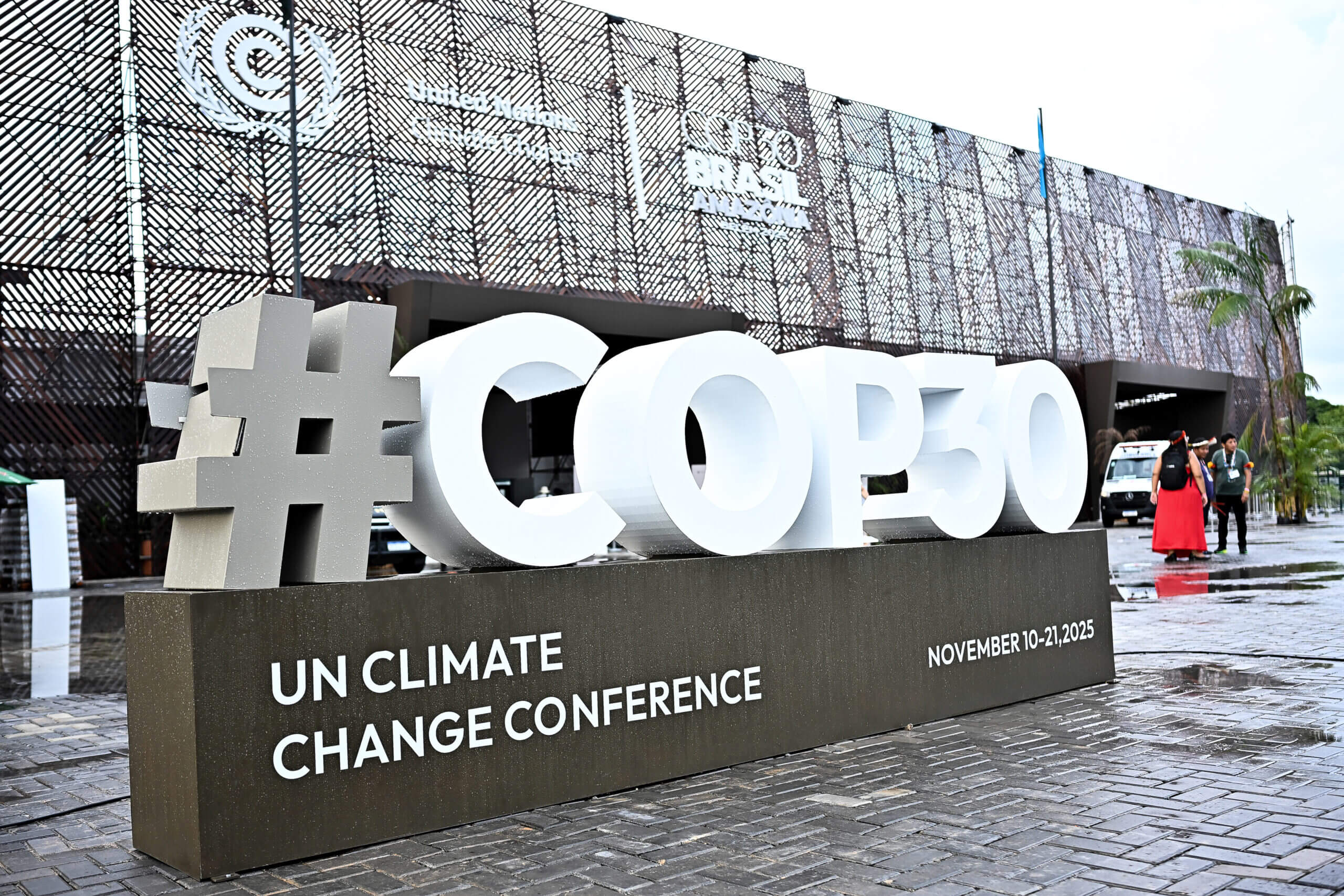
Last week, the Trump Administration announced its intention to withdraw the United States from several landmark international climate institutions, including the United Nations Framework Convention on Climate Change (UNFCCC) and the Intergovernmental Panel on Climate Change (IPCC). In practical terms, the move is largely symbolic: U.S. participation or non-participation in these bodies has relatively little direct effect on domestic climate policy or near-term global emissions outcomes.
By David Kemp4 min readJanuary 21, 2026
→
Economics
Last year, in one of his first actions on inauguration day, President Donald Trump signed an executive order directing federal agencies to stop using the social cost of carbon (SCC) when weighing the costs and benefits of regulations. The decision prompted predictable outrage from many environmental activists, climate scientists, and economists, who argued that abandoning the SCC would strip climate regulations of their scientific grounding.
By David Kemp6 min readJanuary 7, 2026
→
Culture
A new climate change lawsuit filed last week in Washington State takes a novel approach by arguing that the fossil-fuel industry is responsible for rising homeowners’ insurance premiums. The plaintiffs, two Washington residents, claim their costs have increased because of a growing number of climate-related natural disasters.
By David Kemp6 min readDecember 8, 2025
→
Science & Tech
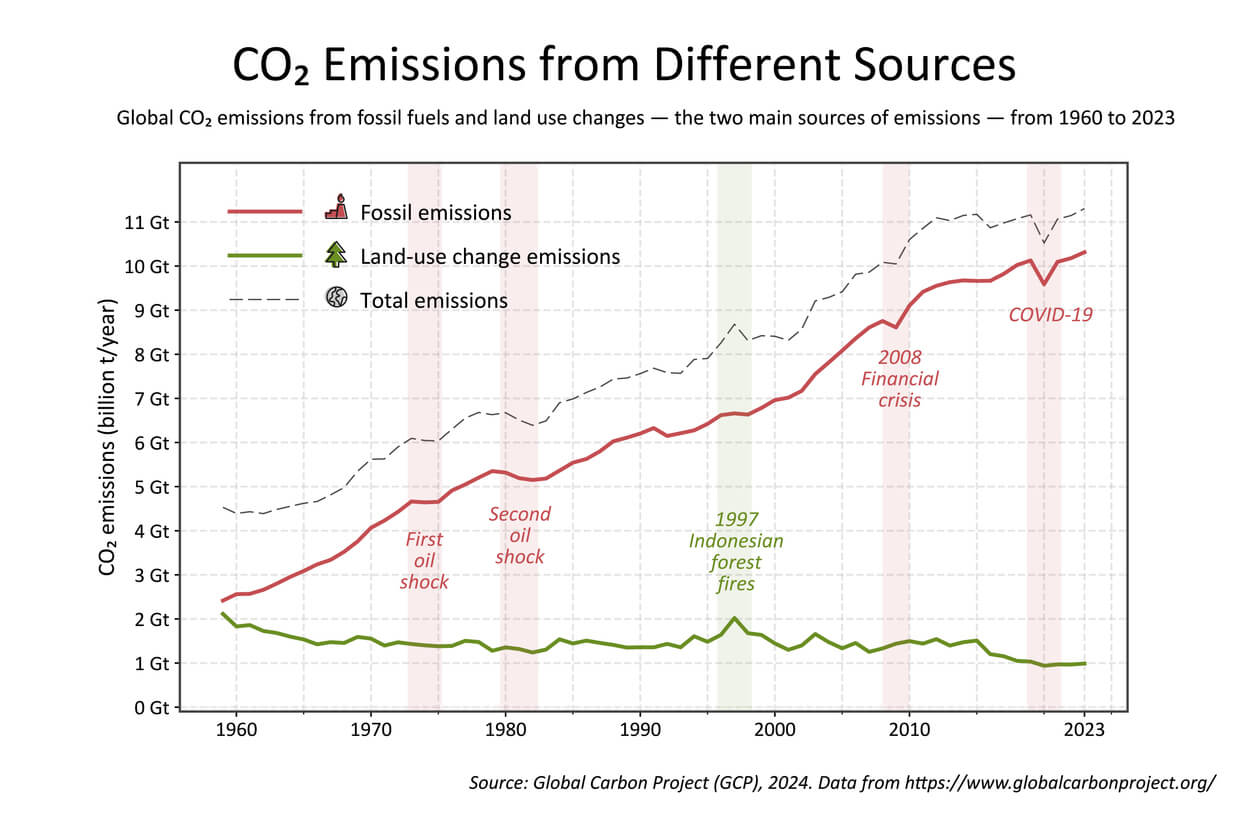
As politicians and philanthropists shift their attention to other global issues, many journalists and scientists continue to sound the alarm about climate change. There is a tendency, however, to highlight only the most negative interpretations of new research in order to amplify public concern and emphasize urgency. As a result, press releases and news stories far too often overstate or misrepresent the scientific findings they cite.
By David Kemp5 min readNovember 18, 2025
→
Tech
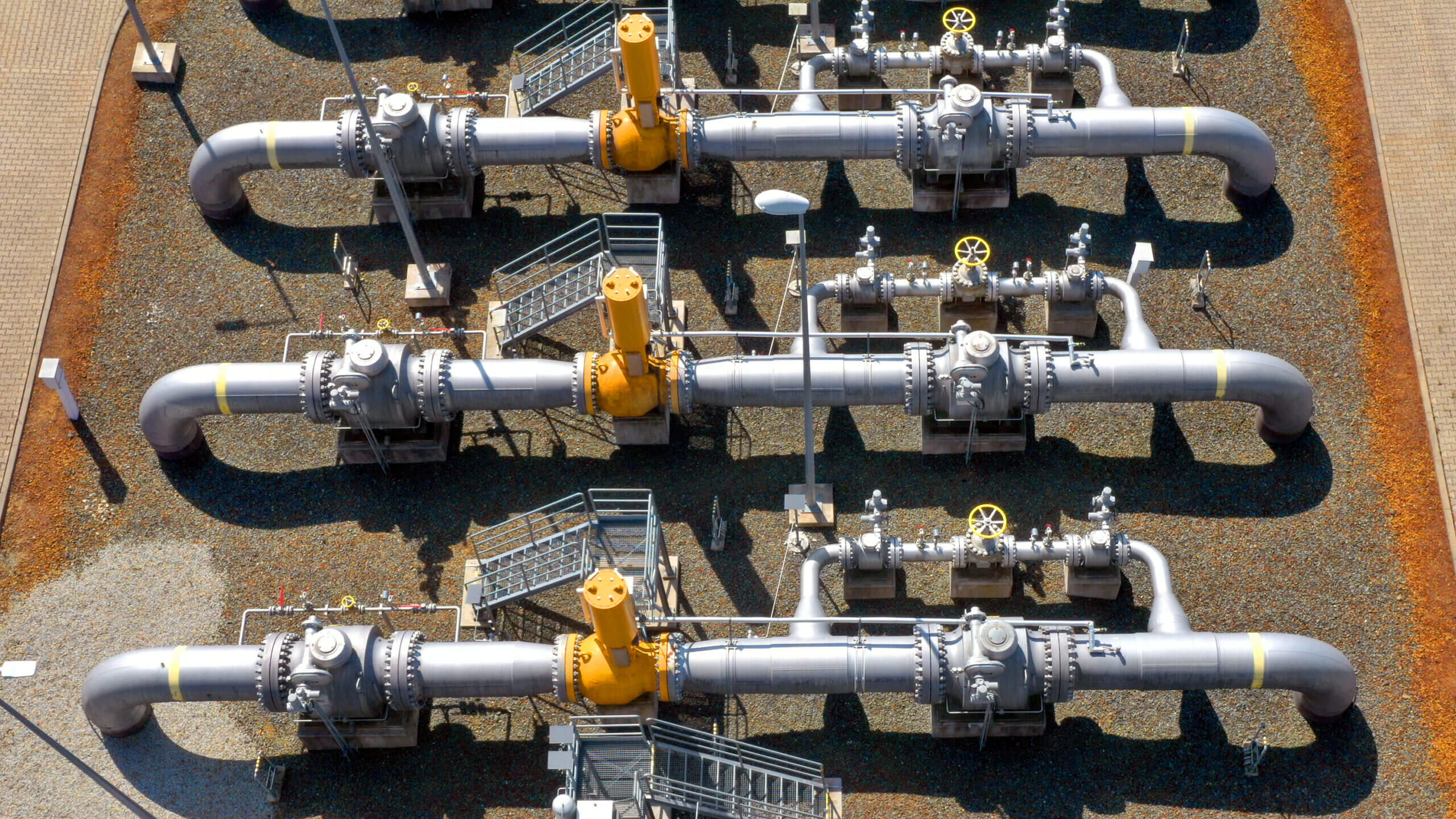
New York State recently approved construction of a controversial natural-gas pipeline in an effort to ease rising energy prices and prevent future supply shortages. The decision drew criticism from Democratic politicians and environmental groups, who argue that the underwater pipeline will compromise water quality and further entrench reliance on fossil fuels.
By David Kemp4 min readNovember 17, 2025
→

Culture
That alarmist messaging has never been particularly helpful. It creates an all-or-nothing perspective on climate change, where one side pushes for aggressive mitigation efforts at the expense of all other considerations, while the other dismisses climate risks altogether. It’s time to drop that framing and instead adopt a perspective that puts climate risks in context.
By David Kemp5 min readNovember 4, 2025
→