Science & Tech
Over the holidays this winter, the White House Office of Science and Technology Policy (OSTP) solicited information on how “to accelerate the American scientific enterprise, enable groundbreaking discoveries, and ensure that scientific progress and technological innovation benefit all Americans.” Building on work to accelerate and reform the American scientific enterprise, I offered suggestions for how to effectively direct this effort to improve the function, productivity, vitality, and health of American science. It is a welcome attempt to wrest American science from the grip of malaise that characterizes the status quo. Science is viewed as slowing down, productivity decreasing, and requiring more resources, more grants, and more personnel to achieve tremendous breakthroughs.
By Ian R. Banks6 min readMarch 12, 2026
→
Agriculture
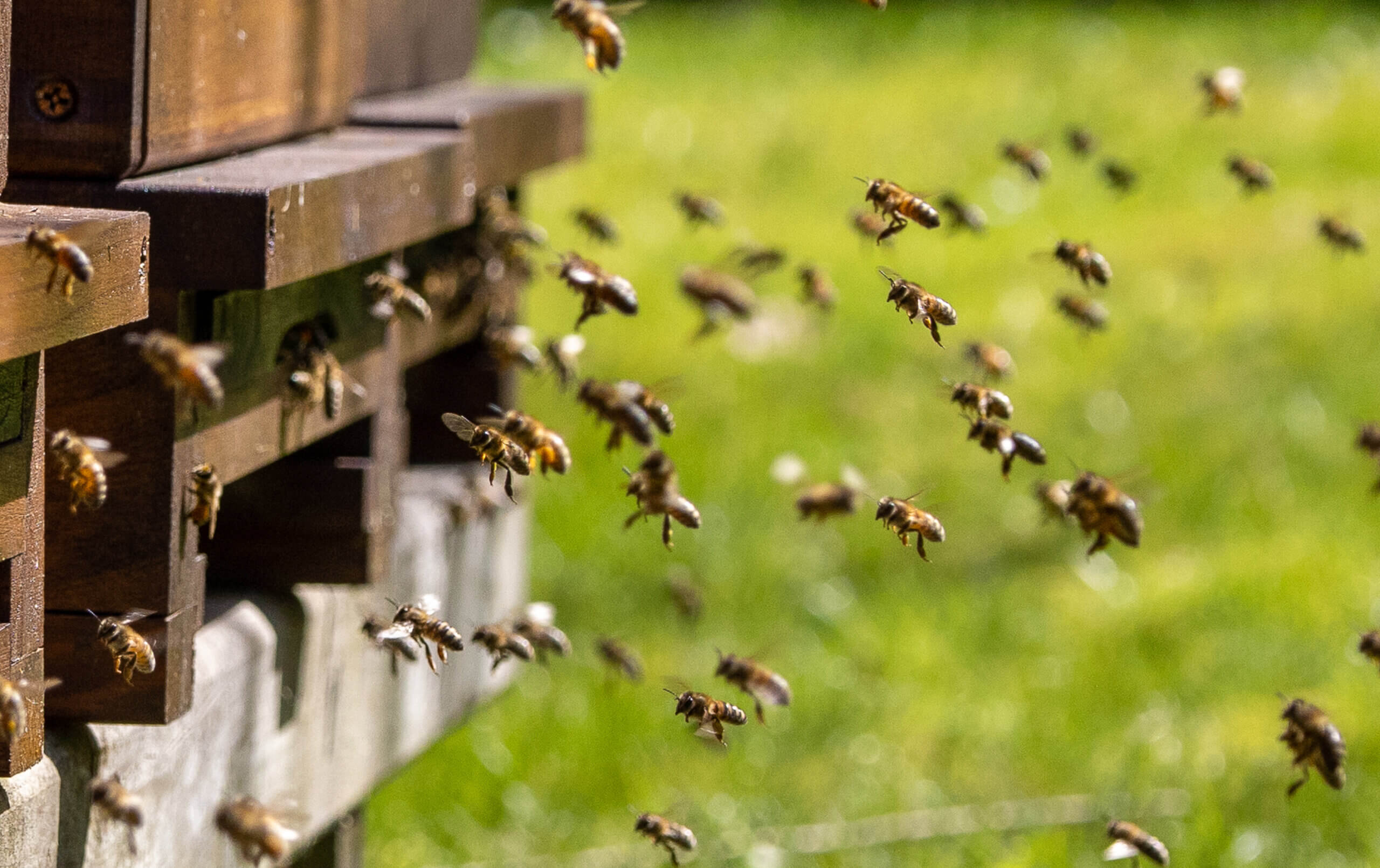
Bees are among the most important and best-known pollinators on the planet. Despite their small size, these insects play an outsized role in sustaining the global food supply. That’s why AI-powered beehive company Beewise wants to save them.
By Nathalie Voit3 min readMarch 9, 2026
→

Energy
Onshore wave energy company Eco Wave Power is turning the tide on reliable, clean electricity with its patented, wave-harnessing devices that can be seamlessly integrated into coastal infrastructure. Founded in 2011, the Israeli-based company was featured in a February 2026 U.S. Department of Energy (DOE) national laboratory report on coastal structure-integrated wave energy converters (CSI-WECs), which are smart, automated devices that can be attached to onshore or nearshore structures such as breakwaters, piers, and ports.
By Nathalie Voit3 min readMarch 5, 2026
→

Science & Tech
There is a powerful movement underway to reindustrialize America, a recognition that our nation’s economic strength and military security are built in its factories. For our country to compete, we must be able to make things– and make them quickly.
By Jonathan Strimling4 min readFebruary 25, 2026
→

Conservation
The Great Salt Lake is drying up. Since the mid-1980s, the lake has dropped 22 feet, and its surface area is 60 percent smaller than it once was. If that doesn’t sound like a lot, consider this: it takes 12 minutes and 13 seconds to walk from where the lake’s shoreline once was to where it is today.
By Cecilia Fassett6 min readFebruary 24, 2026
→

Conservation
The ocean is the largest and most consequential ecosystem on Earth. It regulates the climate, absorbs 30 percent of annual carbon emissions, supports millions of species, and drives economic activity through fisheries, trade, shipping, and tourism. Modern life depends on a functioning, healthy ocean.
By Cecilia Fassett3 min readDecember 2, 2025
→

Science & Tech
The future of clean energy may be out of this world—literally.
Researchers around the globe are racing to turn space-based solar power, an idea once dismissed as science fiction, into a practical tool for delivering constant, carbon-free electricity back to Earth.
By Adrian Norman6 min readNovember 25, 2025
→
Science & Tech
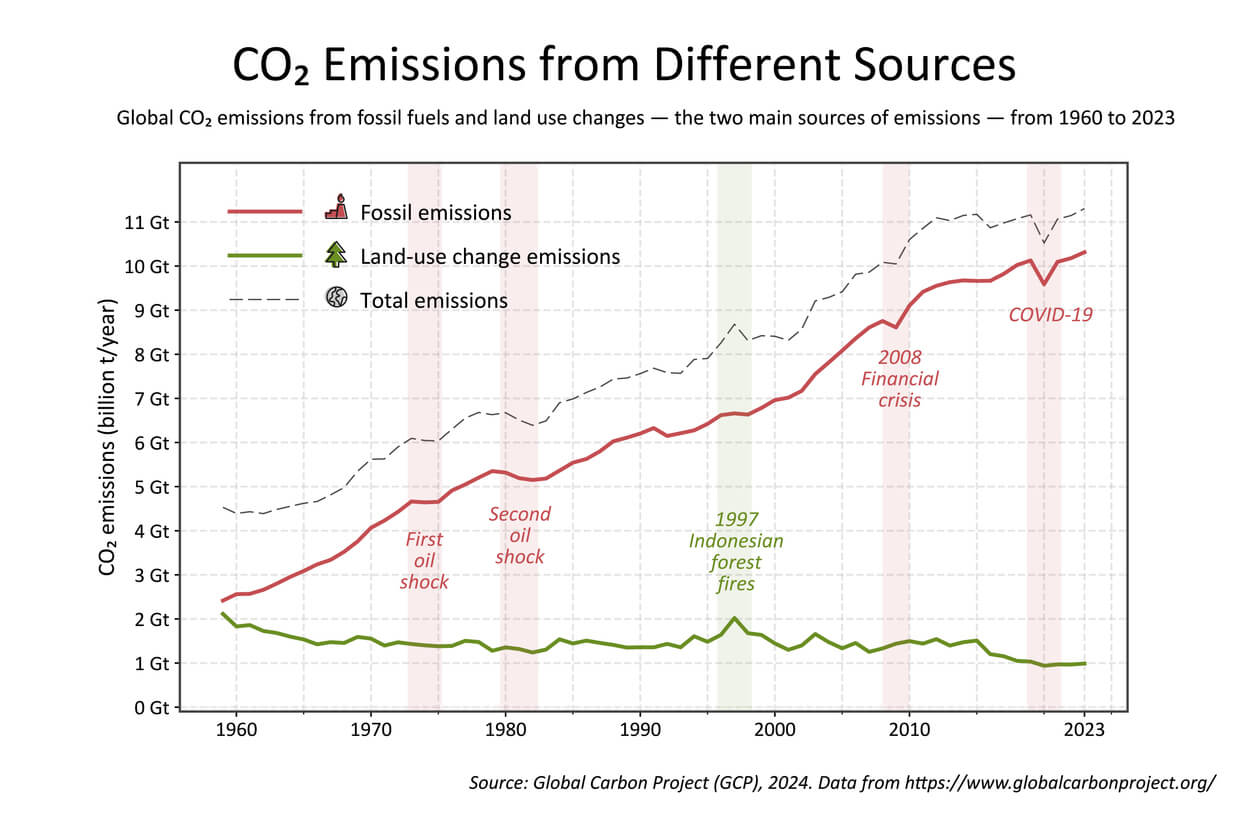
As politicians and philanthropists shift their attention to other global issues, many journalists and scientists continue to sound the alarm about climate change. There is a tendency, however, to highlight only the most negative interpretations of new research in order to amplify public concern and emphasize urgency. As a result, press releases and news stories far too often overstate or misrepresent the scientific findings they cite.
By David Kemp5 min readNovember 18, 2025
→

Agriculture
Few examples make that clearer than U.S. Sugar, a Florida-based sugarcane grower and processor that’s turned decades of research and innovation into measurable, on-the-ground environmental progress. From planting and harvesting to processing and transporting roughly 13 percent of America’s refined sugar, the company has incorporated efficient and sustainable practices into each stage of its operation.
By Cecilia Fassett3 min readOctober 15, 2025
→
Energy
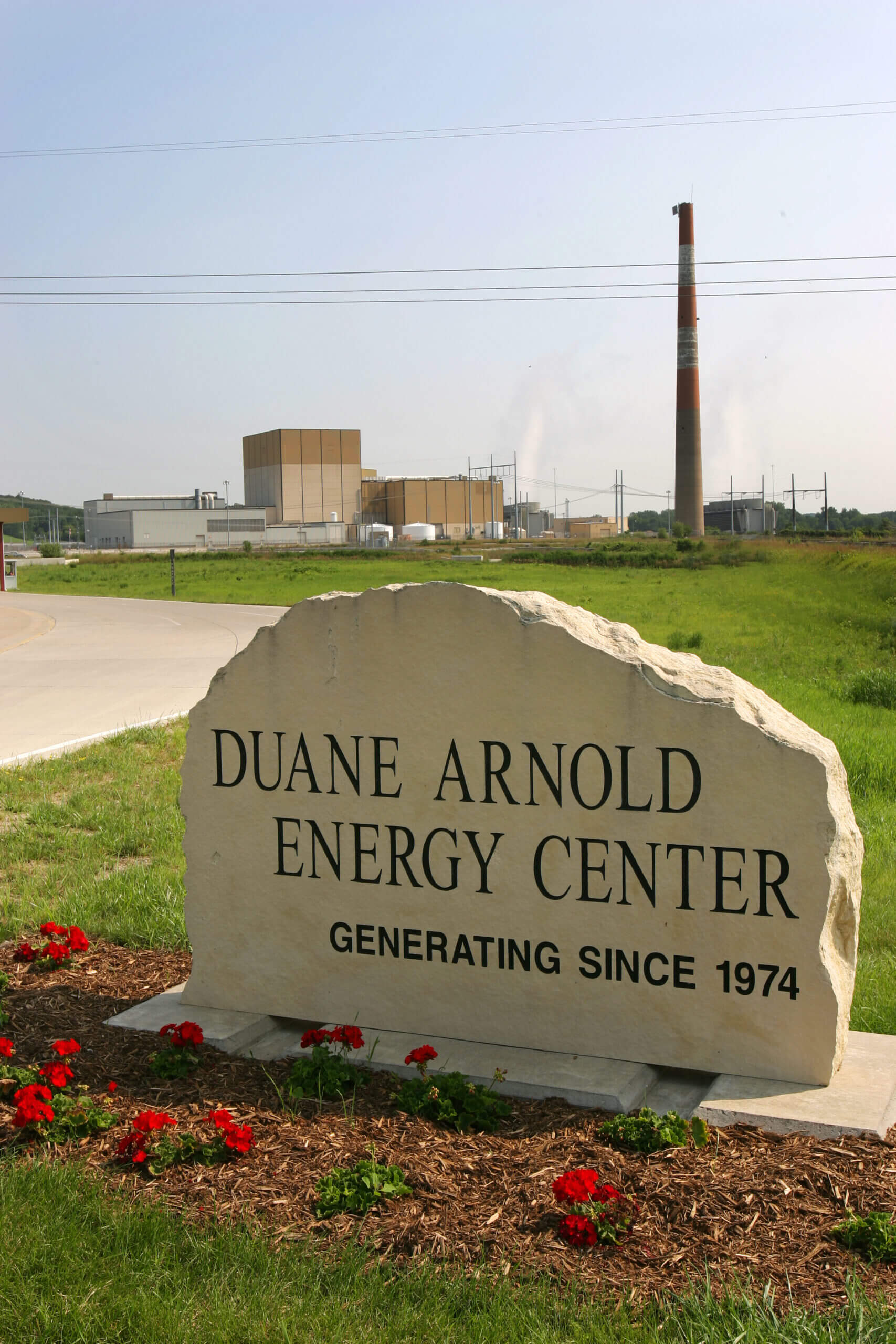
Five years later, NextEra is working to bring the nuclear reactor back online. Now, the federal government has given them the green light to start moving the plant out of retirement.
By Kelvey Vander Hart2 min readOctober 2, 2025
→


