
Energy
The U.S.-China Summit Is a Chance to Reopen Minerals Trade
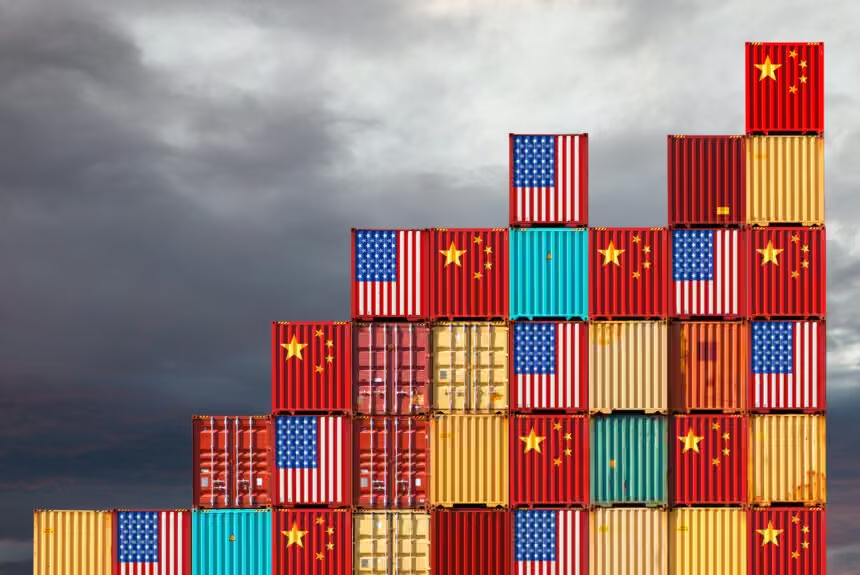
Chinese President Xi Jinping arrives in Washington today for a three-day state visit. Export controls will be a central focus of his meeting with President Trump. Two moratoriums,…
C3 Journal on
Essays, evidence, and original arguments from the writers shaping this conversation.
Energy
Chinese President Xi Jinping arrives in Washington today for a three-day state visit. Export controls will be a central focus of his meeting with President Trump. Two moratoriums,…
The voices in this section
All essays
Energy
Announced megawatts are like leased acres, but energized, used, and profitable megawatts are like productive wells. The boom is genuine, and success will depend on precision, discipline, and pragmatism.
Energy
Rather than causing disparate groups to come together to recognize the importance of all forms of energy, oil prices have resulted in some pushing harder for oil and gas and others pressing harder for solar, wind and batteries. This is a false dichotomy. Both are needed.

Energy
Before instituting sweeping policies that risk creating costs and distortions worse than the supply disruptions and Chinese dependence they aim to solve, Washington needs to weigh the benefits of intervention against its costs.
Energy
The risks posed by this concentration are worth taking seriously. The problem is that these tools may force taxpayers to take on unnecessary risk—leaving them stuck with the bill if the companies fail—without addressing the underlying problem.

Conservation
The need to reduce fire risk is apparent, and we know how to do so through active forest management. Yet policy continues to slow those efforts down and that urgently needs to change.
Energy
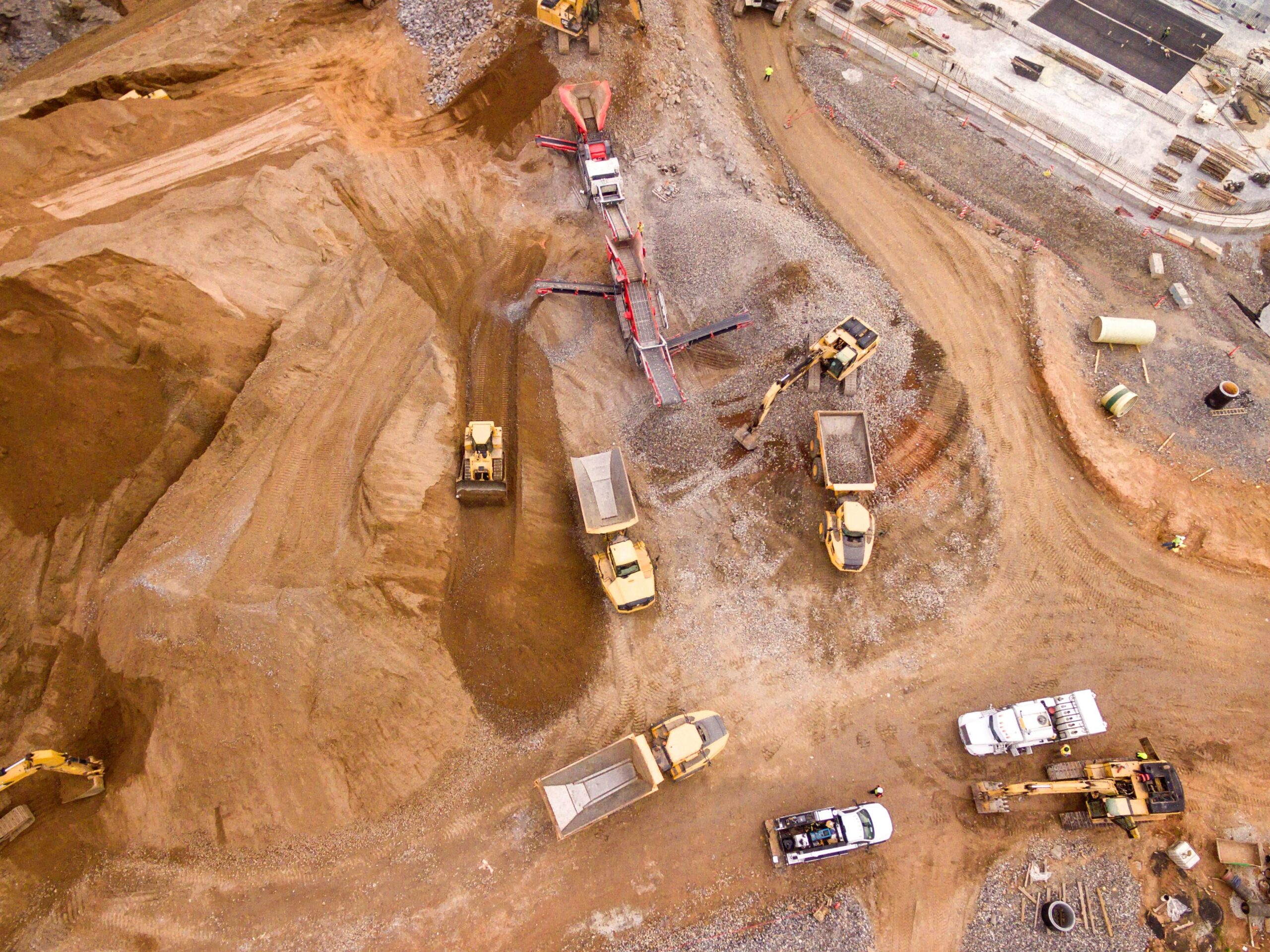
Trade tensions between the U.S. and China continue to escalate, and rare earths remain a central pawn, despite an apparent agreement reached last month, in which China would address U.S. concerns over shortages of rare earths and other critical minerals. Earlier this week, China added 10 companies to its export control list, banning exports of dual-use rare earths to firms it says are tied to the U.S. military. The move was a response to Washington’s decision earlier this month to add new companies, including large Chinese firms such as Alibaba and Baidu, to a list of entities it says assist the Chinese military, a designation that restricts their access to U.S. technology and trade.

Energy
Yesterday, the United States and Iran signed an agreement to end the war. The 14-point Memorandum of Understanding (MOU) includes an immediate and permanent end to military operations, the lifting of the U.S. naval blockade, and the reopening of the Strait of Hormuz. It is a preliminary deal, not a final settlement, and sets a maximum 60-day deadline to negotiate a final agreement.
Infrastructure
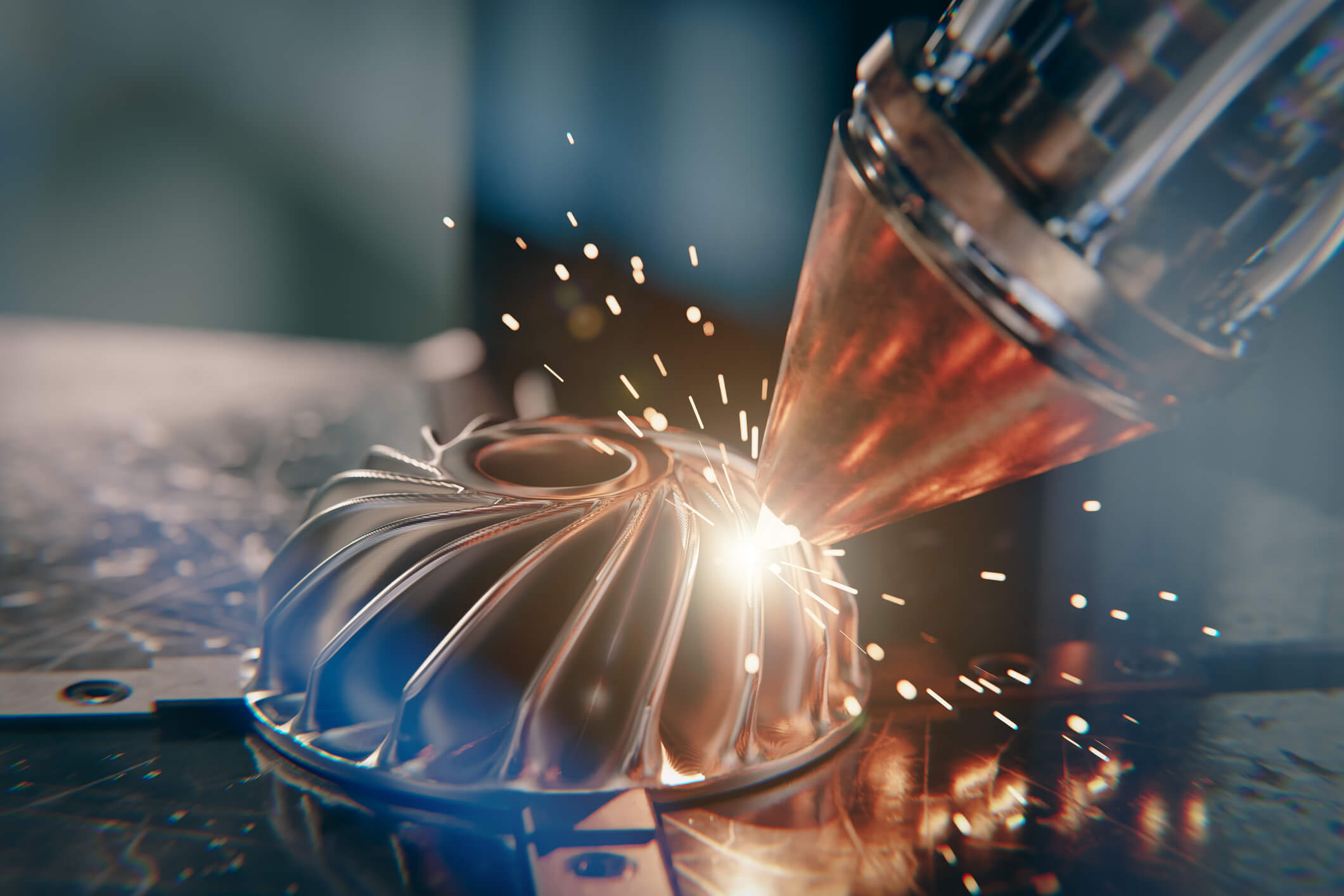
Developing and commercializing new metal alloys is a slow and expensive process. As a result, companies in sectors such as aerospace, defense, and energy often rely on established materials, even when they lack the performance required to build next-generation products. To address this challenge, Foundation Alloy is developing a new class of advanced alloys based on metals.
Energy
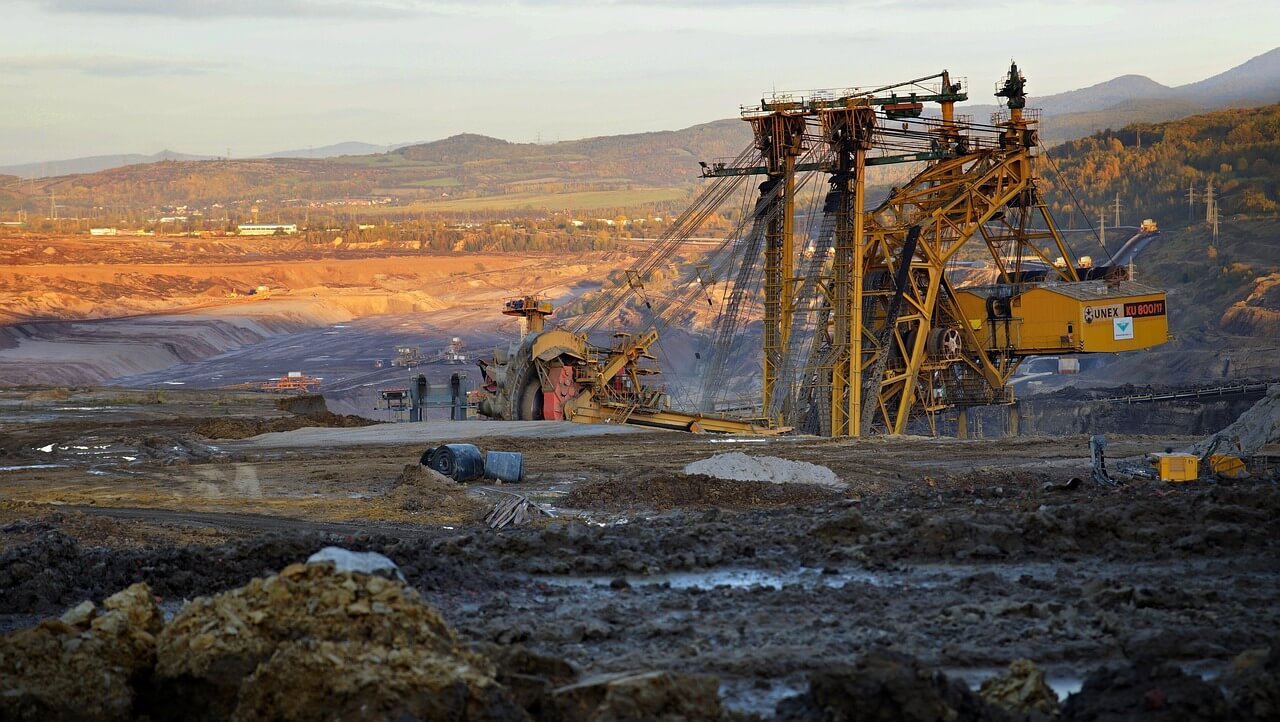
Last week, the Quadrilateral Security Dialogue, known as the Quad and consisting of the United States, India, Japan, and Australia, met in New Delhi and hammered out, among other things, a Quad Critical Minerals Initiative Framework.
Environment
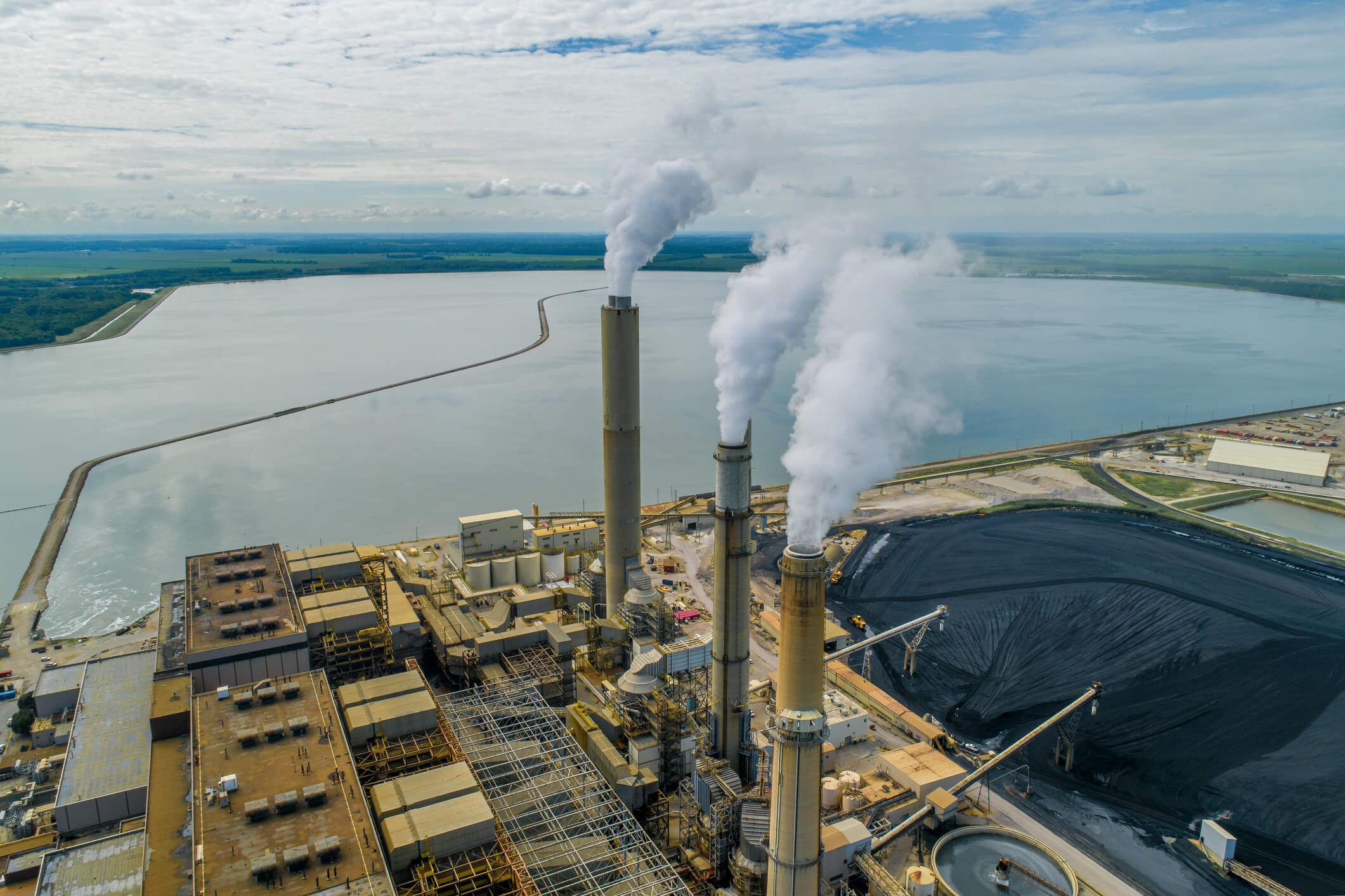
Across the United States, billions of tons of industrial waste could hold the key to revitalizing the country’s struggling critical metals sector. PHNX Materials is unlocking that opportunity by transforming waste into high-value materials for the agriculture, semiconductor, and building materials industries.


