
Energy
The U.S.-China Summit Is a Chance to Reopen Minerals Trade
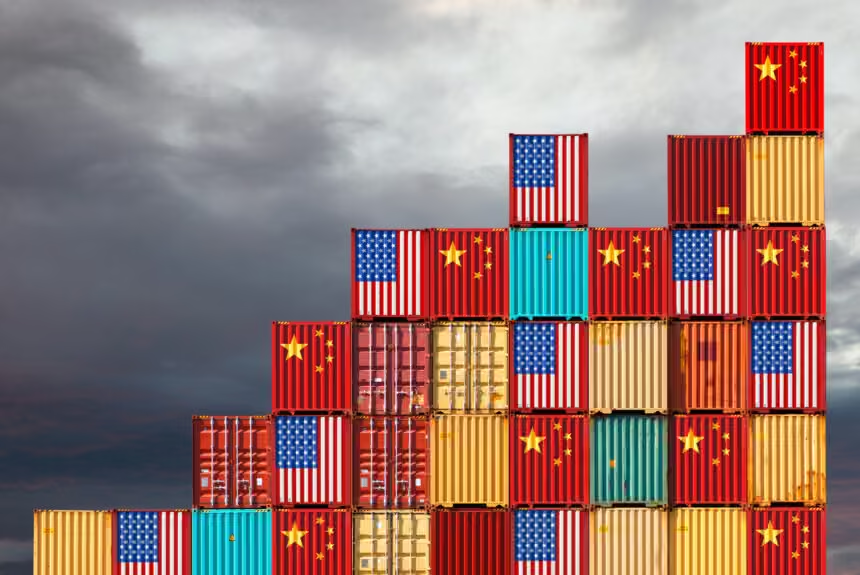
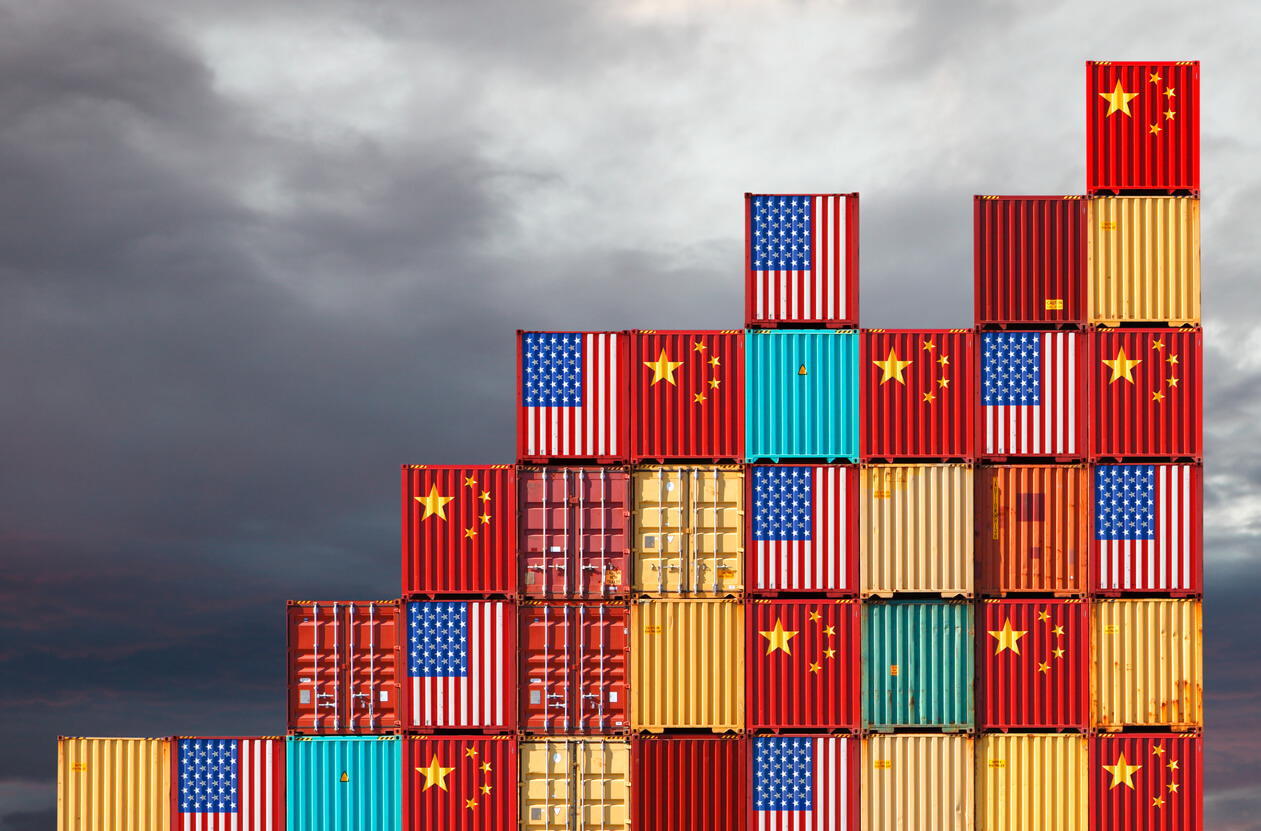
Chinese President Xi Jinping arrives in Washington today for a three-day state visit. Export controls will be a central focus of his meeting with President Trump. Two moratoriums,…
C3 Journal on
Essays, evidence, and original arguments from the writers shaping this conversation.
Energy
Chinese President Xi Jinping arrives in Washington today for a three-day state visit. Export controls will be a central focus of his meeting with President Trump. Two moratoriums,…
The voices in this section
All essays
Energy
Rather than causing disparate groups to come together to recognize the importance of all forms of energy, oil prices have resulted in some pushing harder for oil and gas and others pressing harder for solar, wind and batteries. This is a false dichotomy. Both are needed.

Energy
Before instituting sweeping policies that risk creating costs and distortions worse than the supply disruptions and Chinese dependence they aim to solve, Washington needs to weigh the benefits of intervention against its costs.
Environment
Here is a fact that should embarrass every climate activist: States with the most liberated energy markets in America are producing better environmental outcomes than the green mandators of Europe — and doing it without impoverishing their people in the process. Freedom, it turns out, is a remarkably effective environmental policy.
Energy
Trade tensions between the U.S. and China continue to escalate, and rare earths remain a central pawn, despite an apparent agreement reached last month, in which China would address U.S. concerns over shortages of rare earths and other critical minerals. Earlier this week, China added 10 companies to its export control list, banning exports of dual-use rare earths to firms it says are tied to the U.S. military. The move was a response to Washington’s decision earlier this month to add new companies, including large Chinese firms such as Alibaba and Baidu, to a list of entities it says assist the Chinese military, a designation that restricts their access to U.S. technology and trade.

Infrastructure
Recent heatwaves across Western Europe are highlighting the growing need for reliable and efficient climate-control infrastructure. limate infrastructure firm Trane Technologies is helping address this challenge through its energy optimization services powered by artificial intelligence. A leading provider of heating, ventilation, and air conditioning (HVAC) systems, Trane’s innovative roster of energy-efficient technologies reduce energy consumption, improve efficiency, and enhance operational resilience across a wide array of facilities, from data centers and hospitals to residential buildings.
Energy
Two hundred and fifty years young, the United States of America remains the best country in the world. We’re not perfect, but we still pass “the gates test” with flying colors. As the longtime conservative leader Bill Bennett noted in highlighting the Berlin Wall, “You can measure a nation’s worth by observing the flow of humanity when barriers are raised: do they fight to enter, or do they risk everything to escape?” In America, people are still desperately trying to get in, and for good reason.

Energy
Yesterday, the United States and Iran signed an agreement to end the war. The 14-point Memorandum of Understanding (MOU) includes an immediate and permanent end to military operations, the lifting of the U.S. naval blockade, and the reopening of the Strait of Hormuz. It is a preliminary deal, not a final settlement, and sets a maximum 60-day deadline to negotiate a final agreement.
Energy
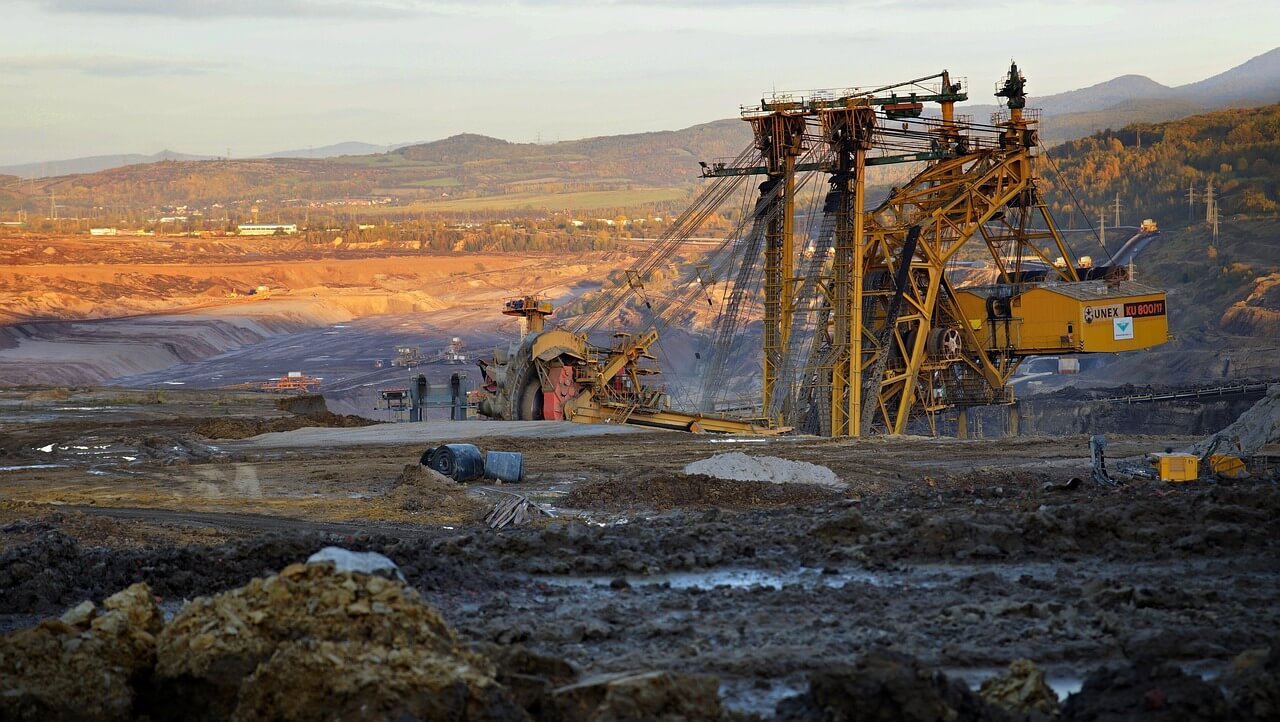
Last week, the Quadrilateral Security Dialogue, known as the Quad and consisting of the United States, India, Japan, and Australia, met in New Delhi and hammered out, among other things, a Quad Critical Minerals Initiative Framework.
Energy
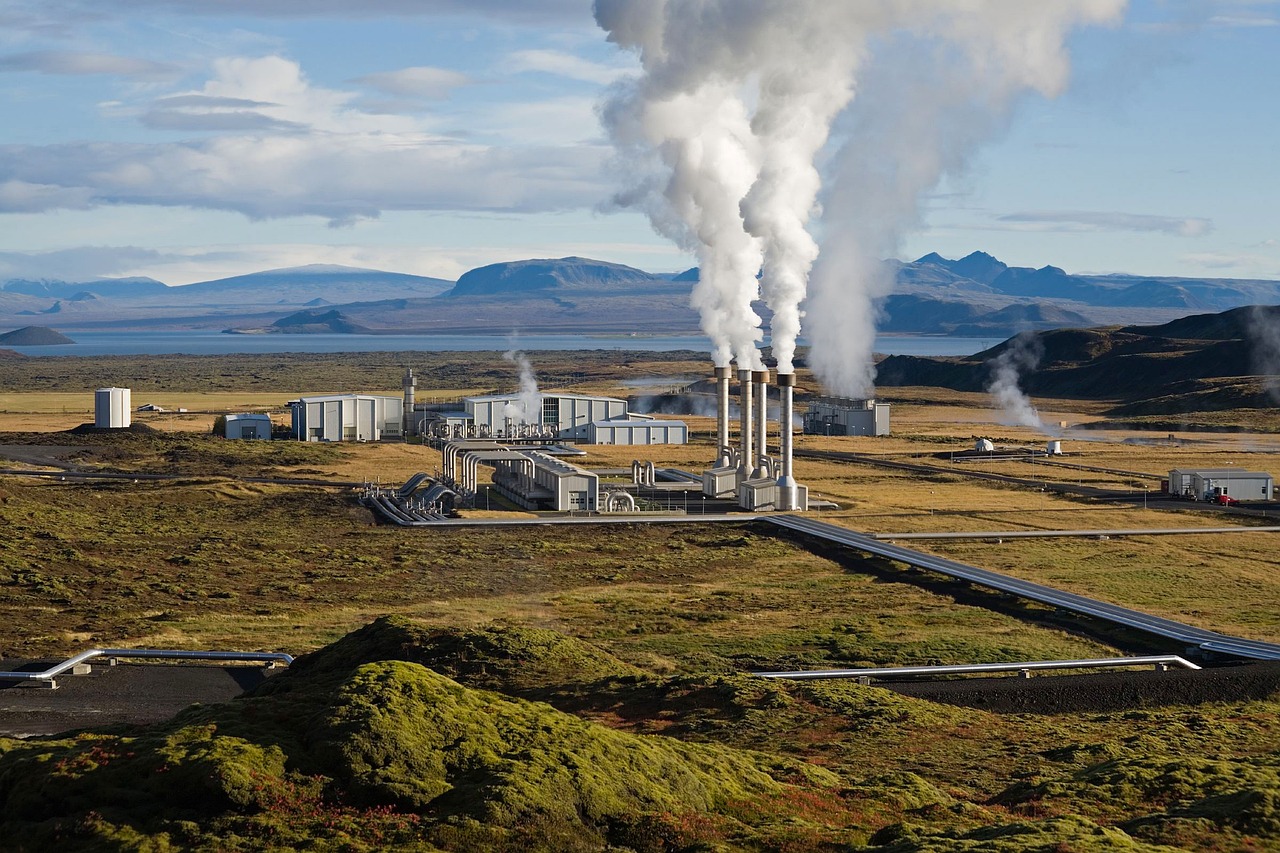
The fallout in global energy markets from the ongoing conflict in Iran demonstrates the perils of overrelying on a single energy source like oil to meet America’s energy needs. As countries are forced to ration fuel and subsidize energy costs, sustainable alternatives like geothermal power are receiving renewed and well-deserved attention for their ability to deliver reliable, always-on power without the risks of price volatility or supply disruptions.
Energy
Critical minerals have become a marquee issue in Washington over the past several years, driven by growing concern that the United States and its allies depend too heavily on China for materials that are indispensable to both the civilian economy and the defense industry.


