Energy
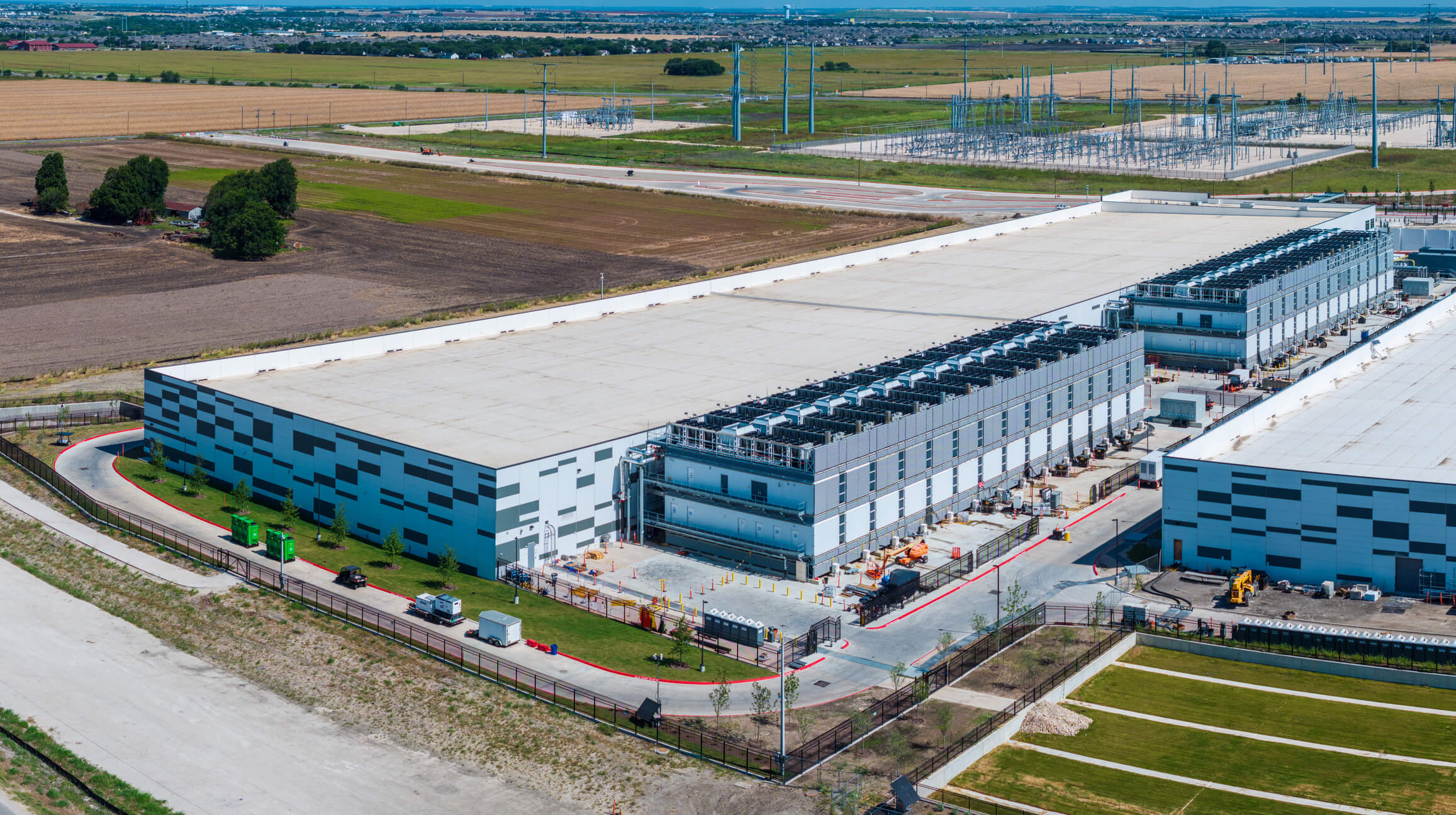
Lawmakers in both parties are scrambling to address the issues revealed by data centers. President Donald Trump, his administration officials, and several governors (including Pennsylvania Gov. Josh Shapiro) signed on to a statement of principles that encourage data centers to bring their own power or pay for the power they need.
By Joshua Schubert and Travis Fisher4 min readAugust 5, 2026
→
Energy
As Americans crank up their air conditioning bills in the summer months, the importance of affordable, dependable power is critical but often taken for granted. Especially today, families are more acutely aware of how much they’re paying as electricity rates have risen at a pace more than double the rate of inflation over the past year.
By Nick Loris4 min readJuly 29, 2026
→

Agriculture
Soil is arguably the most critical factor involved in any plant’s life cycle. It serves many roles, including anchoring a plant in place, storing and supplying nutrients, breaking down organic matter, and insulating the plant. These are just a few of the many functions soil performs for a single plant.
By Ann Joseph4 min readJuly 14, 2026
→

Energy
Defense-driven innovation has repeatedly reshaped the American economy. Advanced nuclear and other mission-critical technologies could become the next major breakthrough.
By Nick Loris5 min readJuly 7, 2026
→

Infrastructure
Recent heatwaves across Western Europe are highlighting the growing need for reliable and efficient climate-control infrastructure. limate infrastructure firm Trane Technologies is helping address this challenge through its energy optimization services powered by artificial intelligence. A leading provider of heating, ventilation, and air conditioning (HVAC) systems, Trane’s innovative roster of energy-efficient technologies reduce energy consumption, improve efficiency, and enhance operational resilience across a wide array of facilities, from data centers and hospitals to residential buildings.
By Nathalie Voit3 min readJune 25, 2026
→

Energy
Necessity, the proverb says, is the mother of invention. That indicates that the reason behind most innovations is that they fill a need. Many of us have a different, more modern way to explain that same observation: free markets work. People see a need, and they innovate to fill it, often crafting a new product or service.
By Drew Bond4 min readJune 16, 2026
→
Energy
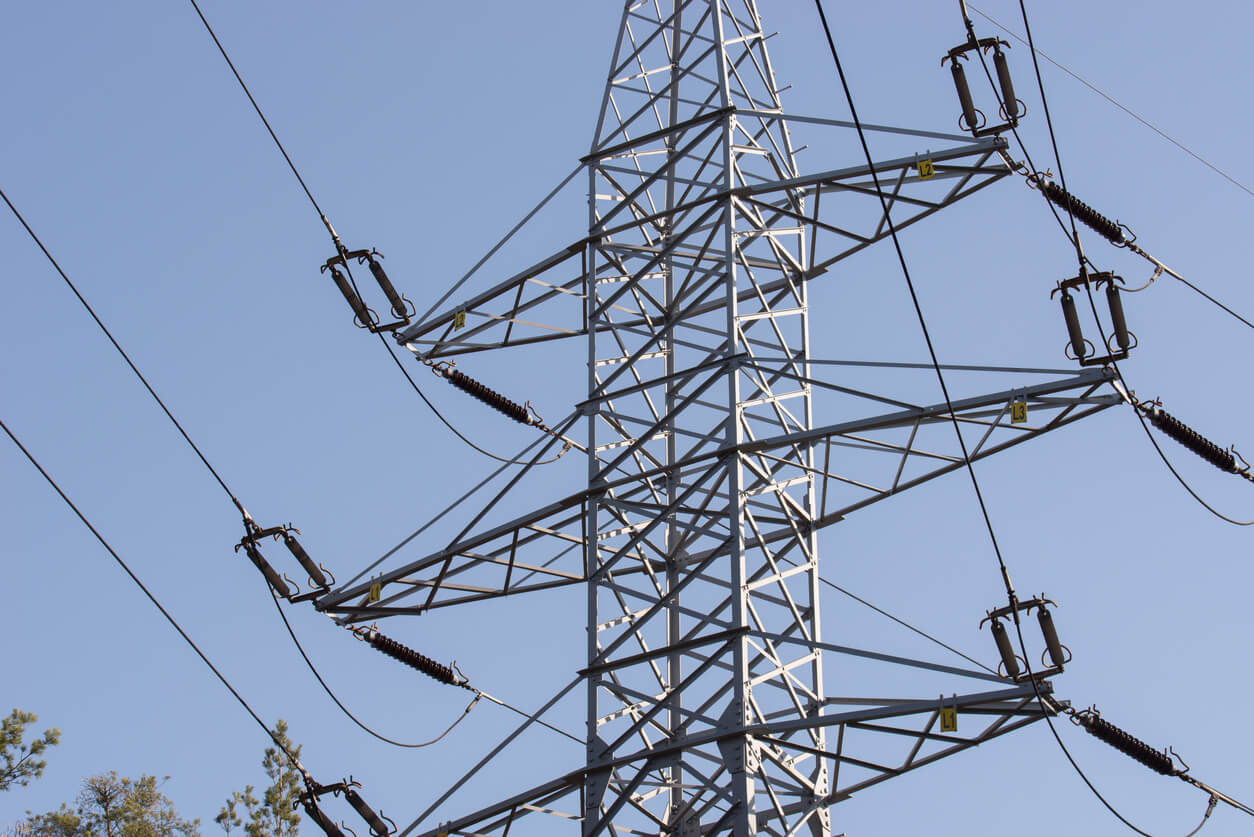
The surge in AI and data centers risks driving up electricity demand faster than we can deploy the power lines needed to carry it. The high-voltage transmission that this expansion, and economic growth more broadly, relies on is slow and expensive to develop, and stuck in an outdated regulatory system that often hands the work to local utilities without competition. New analysis from the R Street Institute shows what this costs us, finding that, when transmission projects are open to competitive bidding, they get built cheaper and faster.
By Dylan Maxik4 min readJune 15, 2026
→

Energy
The term “moon shot” was launched in the 1940s, according to research by the Oxford English Dictionary. “The real result of all the work which would have to go into the moon shot,” Rotarian magazine wrote in 1949, “would be the knowledge of how to build and operate rockets of such size.”
By Drew Bond4 min readJune 11, 2026
→

Conservation
Conservation science has long defined itself as a crisis-solution field, rooted in problem-solving. Yet for years it has been better at identifying species and regions at risk than at delivering solutions to help them. Identifying this key downfall, Conservation X Labs has risen to the occasion. A non-profit focused on slowing biodiversity loss, it promotes innovation and the development of cutting-edge technology to tackle conservation challenges.
By Ann Joseph3 min readJune 10, 2026
→

Infrastructure
Developing and commercializing new metal alloys is a slow and expensive process. As a result, companies in sectors such as aerospace, defense, and energy often rely on established materials, even when they lack the performance required to build next-generation products. To address this challenge, Foundation Alloy is developing a new class of advanced alloys based on metals.
By Nathalie Voit3 min readJune 9, 2026
→