Energy
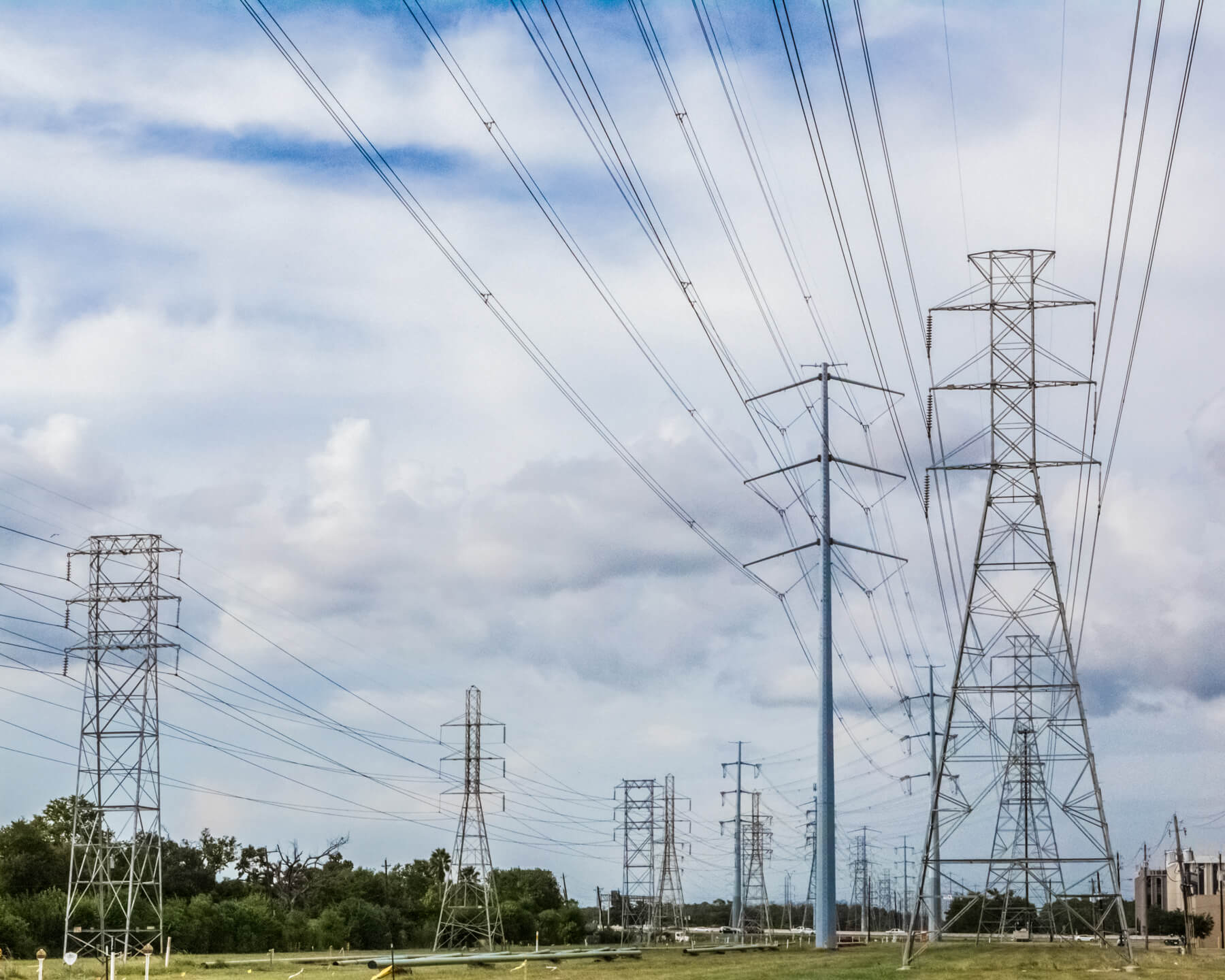
The Department of Energy’s recent National Transmission Needs Study identifies several of these cases, where regions’ electricity costs would decline substantially if they were connected by a high-capacity transmission line. Providing these benefits to consumers, however, requires confronting not just the incentives that discourage utilities from building interregional lines, but the state laws that let incumbent monopolies control who builds them.
By Dylan Maxik4 min readAugust 11, 2026
→

Energy
Lawmakers in both parties are scrambling to address the issues revealed by data centers. President Donald Trump, his administration officials, and several governors (including Pennsylvania Gov. Josh Shapiro) signed on to a statement of principles that encourage data centers to bring their own power or pay for the power they need.
By Joshua Schubert and Travis Fisher4 min readAugust 5, 2026
→

Energy
As Americans crank up their air conditioning bills in the summer months, the importance of affordable, dependable power is critical but often taken for granted. Especially today, families are more acutely aware of how much they’re paying as electricity rates have risen at a pace more than double the rate of inflation over the past year.
By Nick Loris4 min readJuly 29, 2026
→
Energy
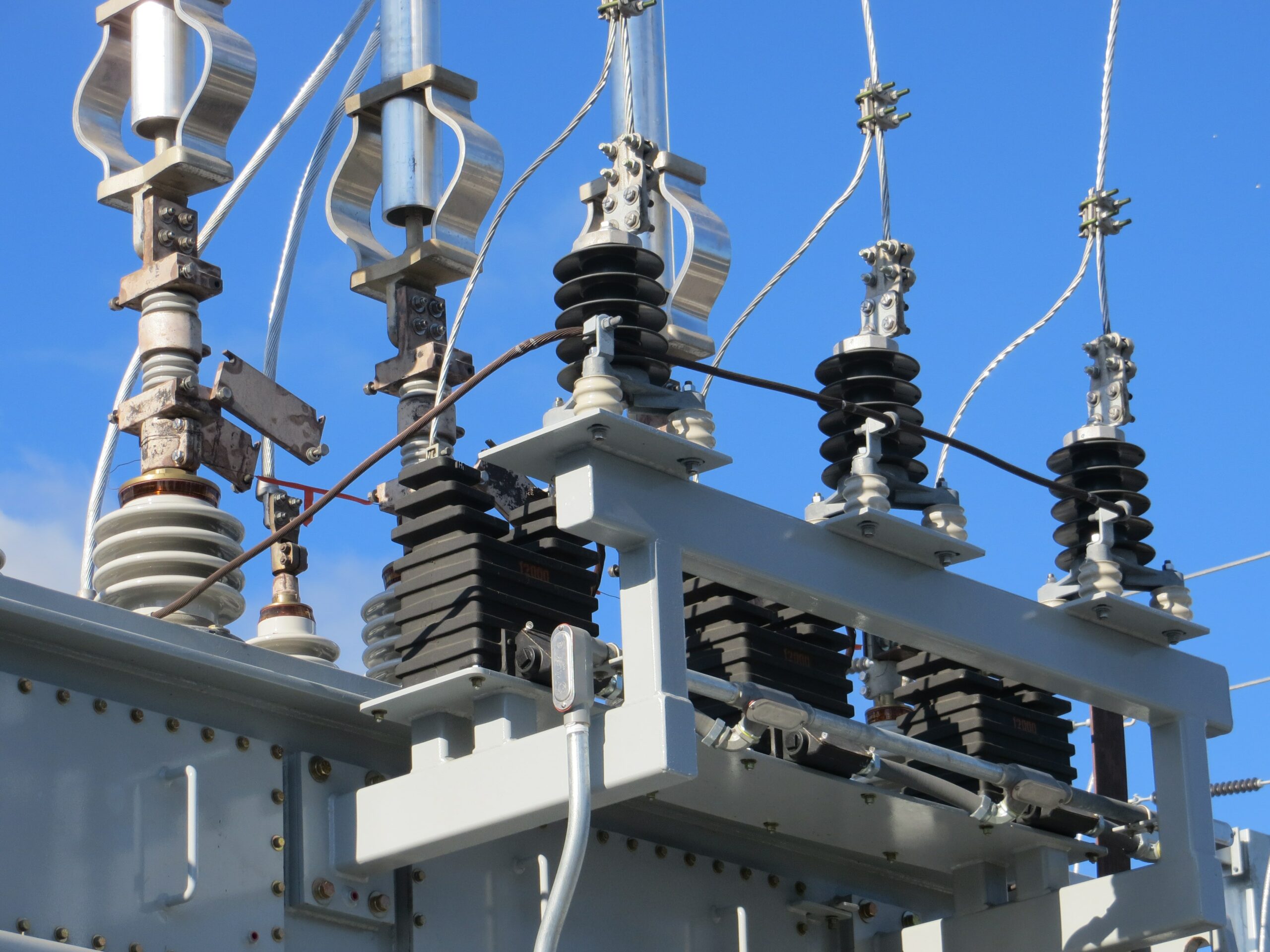
Electricity bills are up, and data centers are getting the blame. But in the data so far, the states with the fastest-growing power use have mostly seen rates rise slower than elsewhere, not faster. Rising demand is supposed to push rates up, not down, but there are good reasons to think rising demand has held electric rates down in some areas. The question worth asking is whether we can count on that to last.
By Michael Giberson4 min readJune 22, 2026
→
Energy
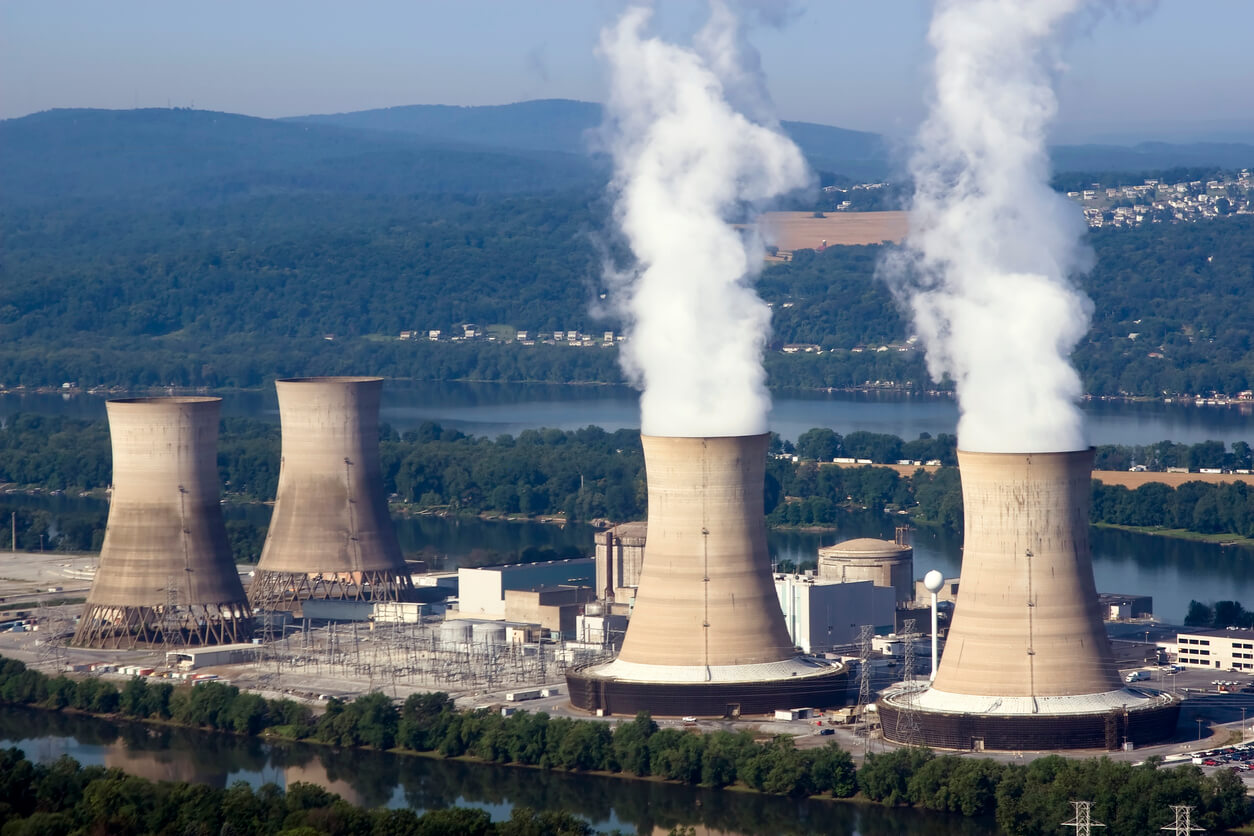
Nuclear energy is safe, clean, reliable, and scalable. It can power the artificial intelligence (AI) revolution, revitalize industrial communities, and help meet our environmental ambitions. So why does building a nuclear plant in the United States cost so much?
By Nick Loris5 min readMay 28, 2026
→

Economics
Should taxpayers love or loathe data centers? This question seems a loaded one in the first place. To ask it is to present a binary choice when, in reality, public opinion on the matter is more complex. Initially, a handful of fiscal conservatives branded the facilities that provide the infrastructure of the next Information Age as little better than taxpayer-funded sports stadiums or convention centers, which are proven economic and fiscal losers for the communities in which they abide compared to the various government subsidies they receive. Yet, aside from the fact that data centers, sports stadiums, and convention centers are physical structures, they have little to nothing in common.
By Pete Sepp6 min readMay 19, 2026
→

Conservation
When wildfires are treated as a temporary, seasonal disruption rather than a continual, chronic risk, the default policy response is suppression. But a new analysis from PERC shows just how much that’s costing us.
By Cecilia Fassett4 min readMay 14, 2026
→

Economics
Growing opposition to data centers is beginning to expose divides in both parties. Last week, POLITICO reported that progressive challengers in battleground House primaries in Tennessee, Indiana, Virginia, and Maine are backing a national moratorium on datacenter construction.
By David Kemp and Prasanna Pydipalli4 min readApril 30, 2026
→
Economics
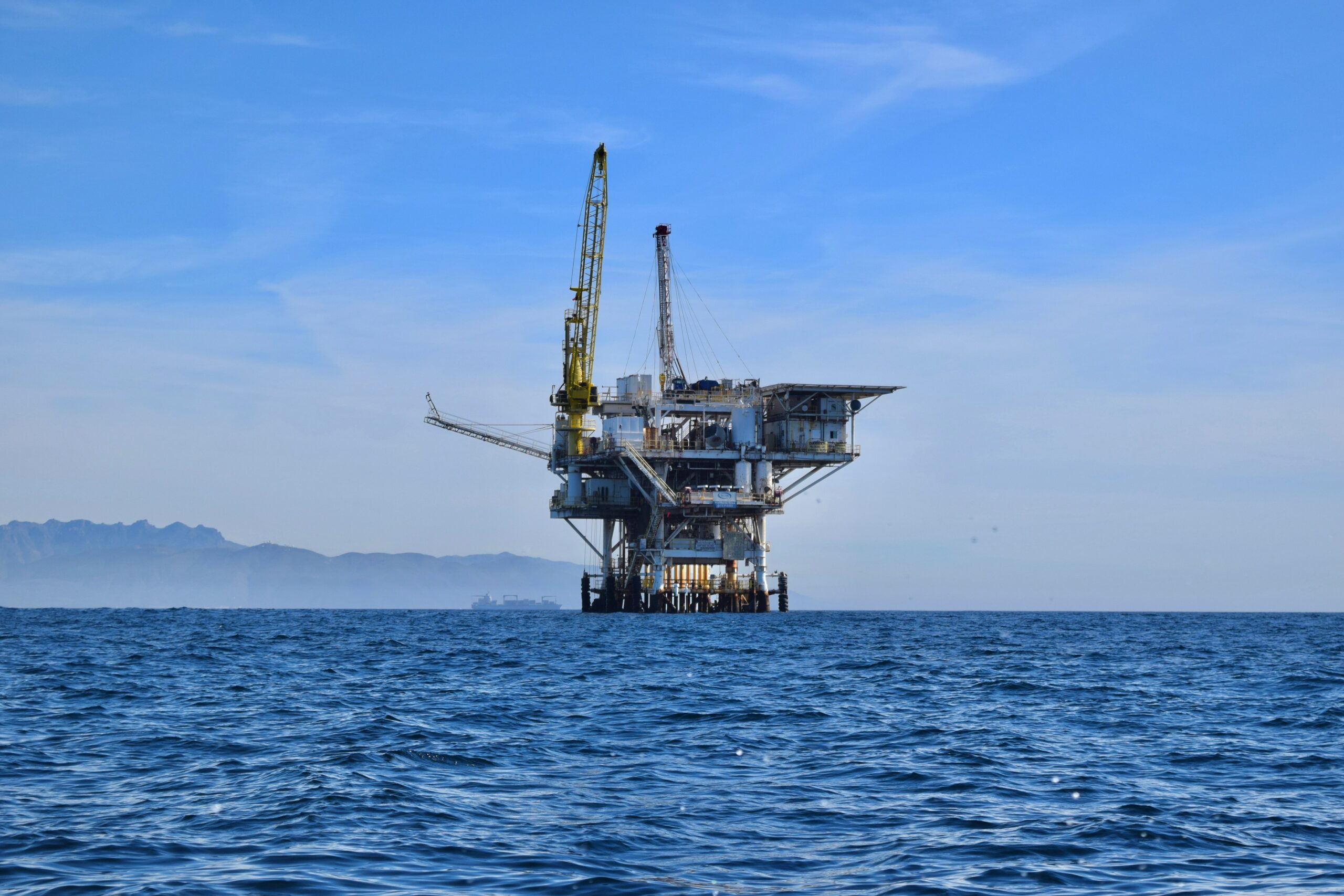
The war with Iran has sent oil prices, and then gasoline prices, sharply higher. West Texas Intermediate (WTI) crude, the main U.S. oil benchmark, rose from the mid-$60s per barrel in late February to around $100 on March 19. U.S. gasoline prices have followed suit, with the average price increasing from a pre-war level of under $3.00 per gallon to over $3.70 by mid-March.
By David Kemp5 min readMarch 23, 2026
→

Economics
Last year, in one of his first actions on inauguration day, President Donald Trump signed an executive order directing federal agencies to stop using the social cost of carbon (SCC) when weighing the costs and benefits of regulations. The decision prompted predictable outrage from many environmental activists, climate scientists, and economists, who argued that abandoning the SCC would strip climate regulations of their scientific grounding.
By David Kemp6 min readJanuary 7, 2026
→