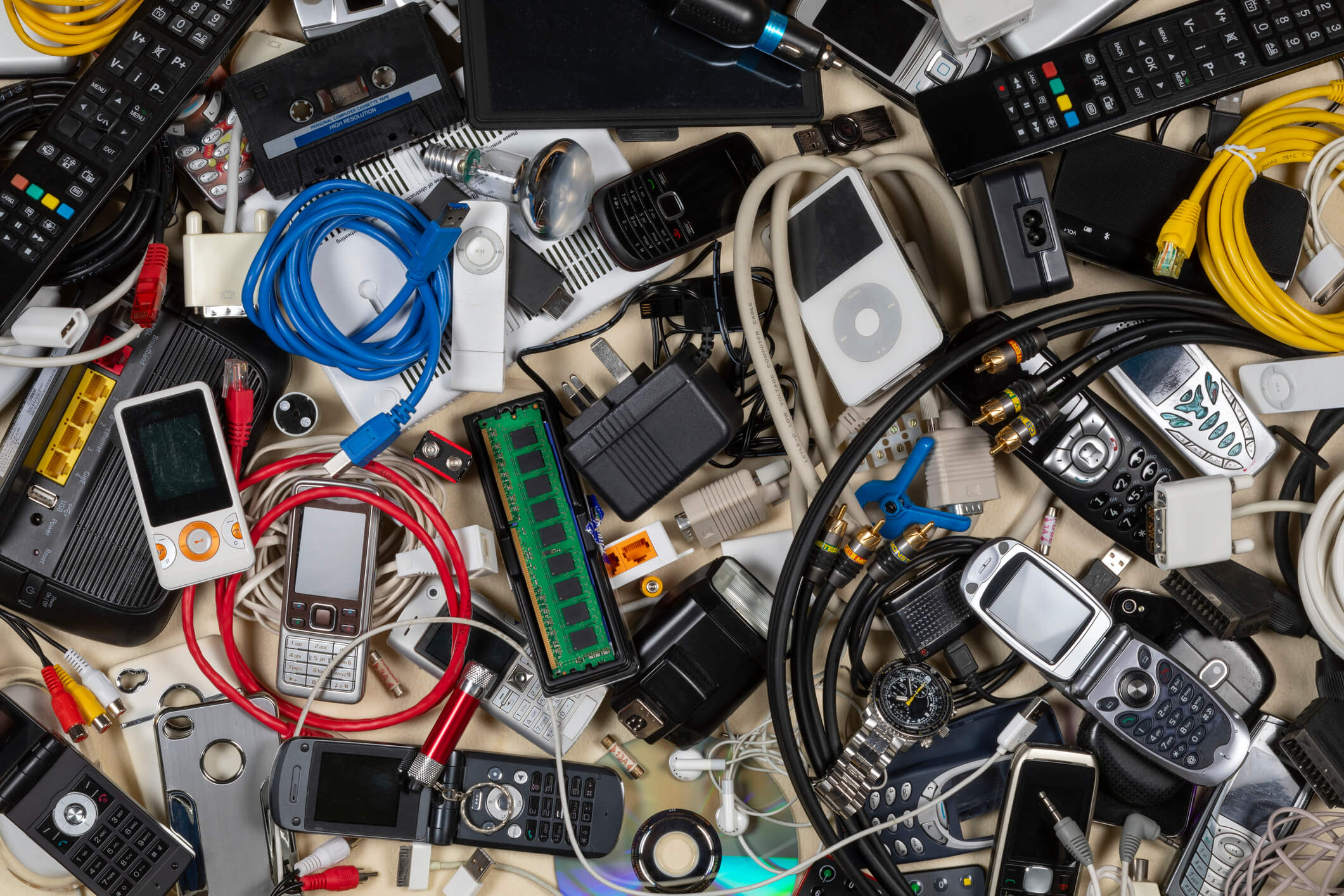
Electronics waste, or e-waste, is a pressing global problem that poses serious environmental and human health risks. Now, one startup is pioneering a circular manufacturing approach to address these risks and manage e-waste more sustainably.
According to the Global E-waste Statistics Partnership (GESP), e-waste encompasses “all items of electrical and electronic equipment (EEE) and its parts that have been discarded by its owner as waste without the intent of re-use.” Everyday products that fall under this category include televisions, smartphones, refrigerators, printers, and computers—essentially, anything with a plug, cord, or electronic components.
E-waste is among the fastest-growing waste streams worldwide, reaching a record 62 million metric tons of waste in 2022, according to the UN Global E-waste Monitor. By 2030, the United Nations expects e-waste levels to reach 82 million tonnes, a 30 percent increase from 2022 figures.
Virginia-based Molg is an e-waste recovery startup that leverages advanced robotics and innovative design to develop robotic microfactories. According to its website, its microfactories autonomously disassemble complex electronic products, such as laptops and servers, reusing, remanufacturing, or recycling the recovered parts to keep them within supply chains and out of landfills.
Molg also collaborates with manufacturers to develop sustainable products designed for circularity, offering guidance on innovative designs utilizing its proprietary software. To ensure transparency and compliance with sustainability standards, Molg uses a digital ID system called OriginMark. This system enables the startup to maintain detailed digital records of each product’s entire lifecycle, from its origin to initial assembly, disassembly, and eventual end-of-life recovery. As such, Molg works with all actors in the electronics supply chain to maximize resource recovery and support scalable circular manufacturing.
In March, ABB Motion Ventures, the venture capital arm of ABB Motion, announced the start of an ambitious strategic partnership with Molg. The collaboration aims to bring Molg’s robotic microfactory technology inside ABB’s operations. Specifically, Molg will help ABB design drives optimized for circularity. This announcement follows a successful seed funding round last fall, in which Molg raised $5.5 million with participation from investors such as the Amazon Climate Pledge Fund, Overture, Elemental Impact, Techstars, and ABB itself.
According to the UN, only about twenty percent of global e-waste is recycled. The dismal recycling rates reflect an underdeveloped e-waste management infrastructure, improper resource management (particularly in developing countries, which bear the brunt of the costs), limited and costly repair options, and unsustainable product designs. A lack of producer responsibility also contributes significantly to the problem, as does the electronic sector’s deliberate strategy of planned obsolescence.
Unfortunately, the low recovery rates for e-waste pose serious environmental risks since e-waste contains toxic substances such as heavy metals like lead and mercury. When disposed of improperly, these chemicals can seep into the soil and water, posing a threat to ecosystems and human health. These risks are disproportionately felt in the Global South, where inadequate waste management infrastructure and the common practice of burning e-waste are particularly harmful to pregnant women and children.
By working towards the development of a truly circular electronics supply chain, companies like Molg are helping to create a more resilient and sustainable future.