
Environment
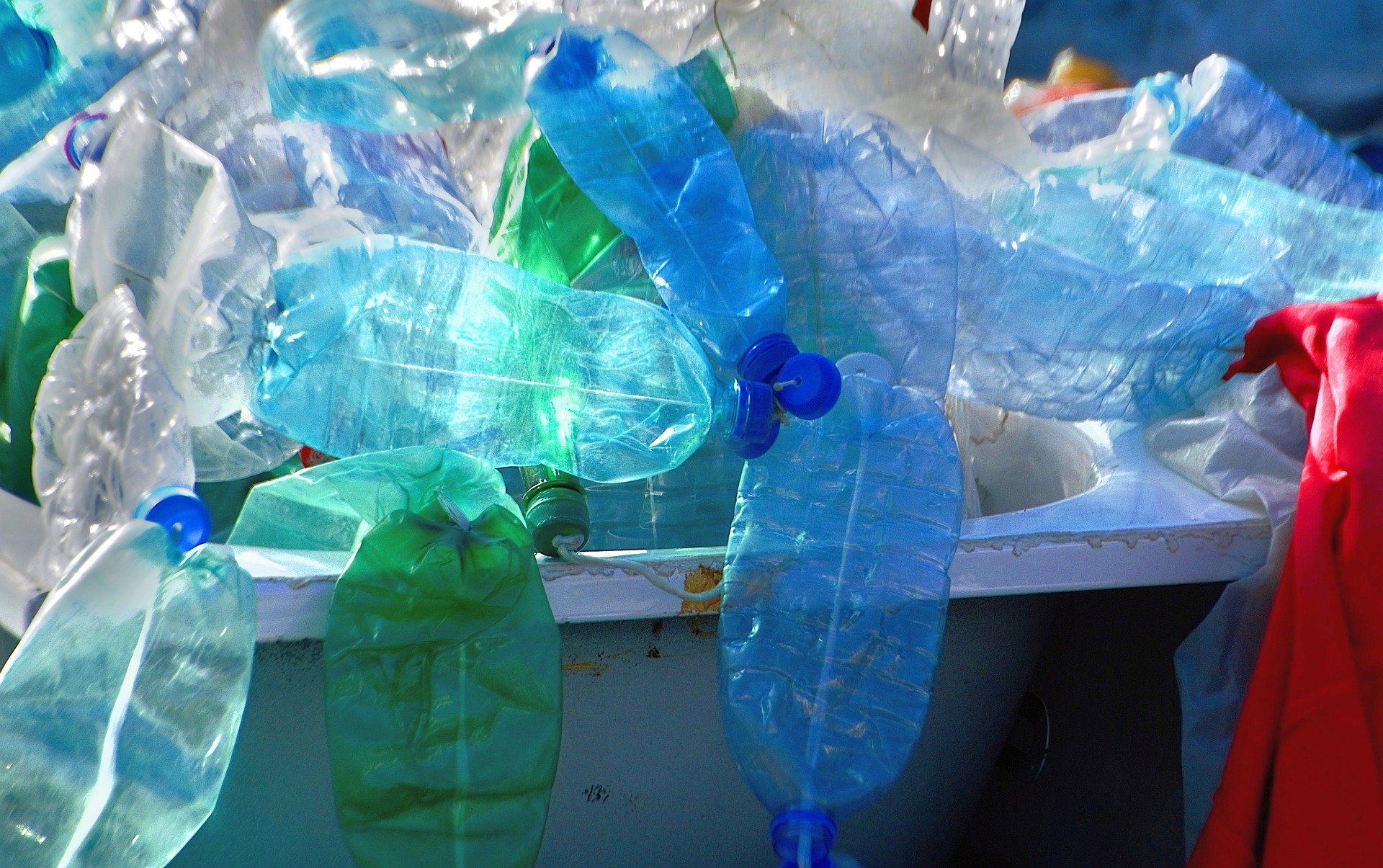
Recycling Breakthroughs are Addressing the Plastic Pollution Problem
Human ingenuity and invention are developing new ways of dealing with the colossal problem of plastic pollution.

C3 Journal contributor
Latest from
Environment
Human ingenuity and invention are developing new ways of dealing with the colossal problem of plastic pollution.

Agriculture
Innovative technology is coming to the rescue of declining bee populations. Vital to food supplies, bee populations worldwide are rapidly declining due to disease, habitat loss, and the…

Agriculture
Above all, the arrival of robotics into farming practices is set to result in the provision of extremely accurate production data, reducing the need to apply herbicides on a large-scale basis, and monitoring environmental factors relating to climate change.

Environment
Sustainable tourism strategies are increasingly being implemented worldwide. These are initiatives that can affect almost every aspect of travel and tourism, as well as consumer brands.

Energy
Hydrogen fuel is clearly here to stay and is set to provide an increasing proportion of the world’s fuel for many years to come.

Infrastructure
A much wider concept of Sponge Cities is now developing. Often referred to as Ecosystem-based Adaptation, it creates an absorbent urban environment within flood-prone areas, to allow surplus groundwater to drain away safely, or be collected for cleaning and reuse.

Infrastructure
Plastic roads may be a relatively new industry, but its participants are intent on rapid expansion. Netherlands-based PlasticRoad intends to roll out its product portfolio worldwide.
Environment
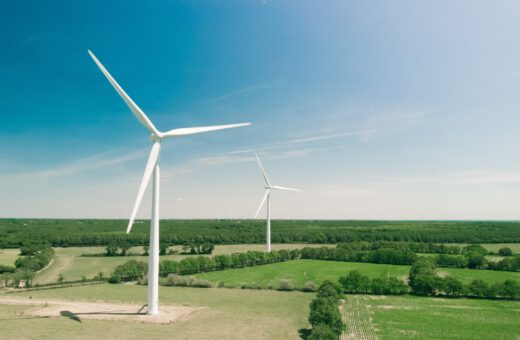
The aging of wind turbine blades is an increasingly important issue as many windmills begin to reach the end of their lifespan. According to the University of Strathclyde research, global turbine waste in the United Kingdom will increase five times from 400,000 tonnes per year in 2030 to 2 million tonnes per year by 2050.