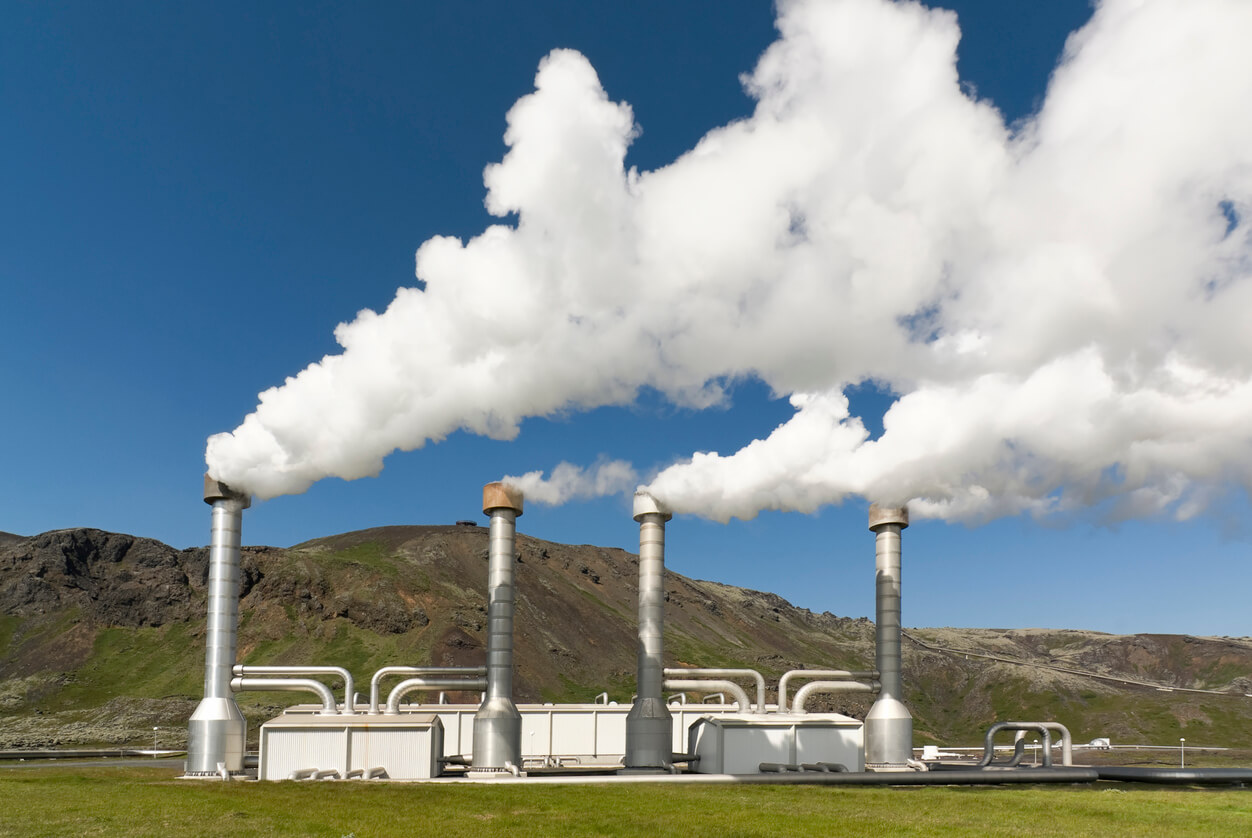
The largest operational direct air capture facility, and second largest in the world, now sits in northern Oklahoma. Called Bantam, Heimdal Inc.’s project will capture and remove up to 5,000 tons of carbon dioxide from the atmosphere.
DAC is a carbon dioxide removal technology where a facility filters CO2 out of the air using heat or electricity to power chemical reactions. The CO2 could be used as a feedstock for products or permanently stored underground. Colorado-based Heimdal uses “well-established, off-the-shelf technologies and a novel sorbent formulation based on naturally abundant limestone” which has lowered the costs and resulted in an efficient, predictable construction timeframe.
>>>READ: What’s the Future of Direct Air Capture?
Unlike some other carbon dioxide removal (CDR) processes, including natural ones like tree planting and regenerative agriculture, the CO2 removed from DAC is easily quantifiable and permanent. That is good for companies who want a legitimate, verifiable way to offset their emissions.
On the other hand, DAC is more expensive than other CDR methods. DAC credits can range from $250 per ton to $1,000 per ton and recent research suggests that the costs could fall to the range of $230 – $540 per ton over the next several decades. If successful, the Bantam project will be even cheaper because of their technology and process. Despite being one of the earliest deployers of DAC in the states, Heimdal is aspiring to remove carbon dioxide from the atmosphere for less than $200 per ton.
Oklahoma Governor Kevin Stitt remarked, “Oklahoma has always been home to energy innovators, but Heimdal has raised the bar. Bantam will store five times more carbon than the current largest project in California, but only at a fifth of the price, making Heimdal and Oklahoma the global leader in cost-effective carbon capture.”
When and how quickly the cost curve declines for DAC technologies remains to be seen and will vary by technology. Some concepts and projects may fail while others may lead to innovative breakthroughs that reduce costs significantly. While the profit opportunities are questionable today, those lower per-ton costs would spur even greater private-sector demand.
>>>READ: Fervo Energy Announces Combined Geothermal and Direct Air Capture Plant
As I wrote with Philip Rossetti from the R Street Institute, “[T]he hope for a CDR credit is that it would be low cost, abundant and accessible to private actors— which is to say, available to consumers and firms that are not politically connected. In effect, CDR credits should look more like solar panels, available to any who choose to buy them freely on the market. Conversely, we do not want CDR credits to look like the passenger rail industry, where large subsidies and substantial regulation prevent market entry and constrain rail service to companies that form effective monopolies to provide services at a substantial cost to taxpayers.”
As public expenditures continue for DAC over the next few years, research, development and demonstration projects will ideally help a nascent technology mature to provide a valuable public good in reducing emissions. Policies should remain technology-neutral, refrain from crowding out the private sector and resist creating a government-funded bubble by endlessly supporting an industry dependent on subsidies. Importantly, Congress should not throw good money after bad by allowing failures to fail. The market sees products and technologies flop or flourish all the time. Concerns over high costs today could look dramatically different a few years down the road.
The Bantam facility in Oklahoma is an encouraging sign that innovators in the private sector are ahead of schedule.