Anyone who has ever tried to get a project approved has run into “NIMBY.” No matter how important a mission is—new power lines, a homeless shelter, a hospital—there are always neighbors who will work to block it.
In many cases today, the acronym can be updated to “BANANA,” as in “Build Absolutely Nothing Anywhere Near Anyone.” For example, “You will never see another federal dam,” Deputy Assistant Secretary of the Interior Deanna Archuleta told environmentalists in 2009. Never.
She wasn’t far off. “Out of those 3,700 planned dams (worldwide) in 2014, not a single one was located in the US,” wrote Wired magazine in a 2016 piece about dams around the globe. “The US has come down with dam removal fever just as the rest of the world is catching the hydropower bug.” However, Archuleta didn’t oppose dams that might be disruptive to rivers or communities (NIMBY). She simply opposed the idea of building them (BANANA).
The Trump administration is making it a priority to slash the regulations that slow new projects. Its “Unleashing Prosperity Through Deregulation” initiative, writes CEI, “mandates that for every new regulation, at least 10 must be lined up for elimination, with the total cost of new regulations remaining ‘significantly less than zero.’ This is great news and is long overdue.
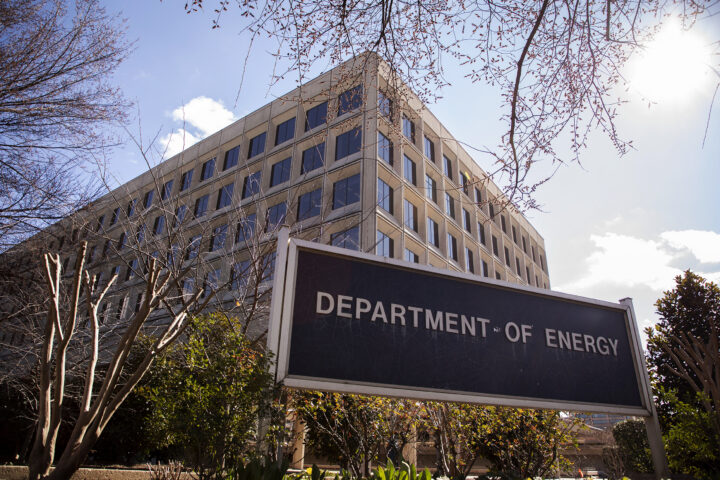
But there is a way to move even more quickly. The place to unleash new technology is on land already controlled and secured by the U.S. government: American military bases and National Laboratories. With the stroke of a pen, the administration could open up the development of data centers co-located with new energy projects at these locations.
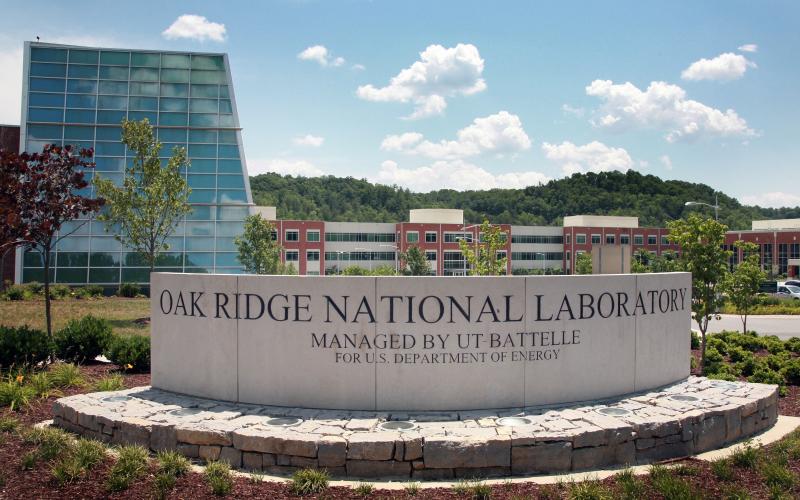
The Pentagon manages some 4,790 military sites worldwide, encompassing 27 million acres. That’s about the size of the state of Virginia. There are more than 450 bases just in the United States alone. In addition, the Energy Department manages 17 National Labs from coast to coast (and even in Hawaii and Alaska).
Each of these locations has abundant unused land and are connected to the power grid. These bases need plenty of energy, and all are secure spaces protected from potential vandalism or terrorism. They have the space and security needed for data centers and energy facilities. Putting this land to use by leasing it out would benefit taxpayers and create new revenue streams. President Trump has discussed putting federal lands to a more useful purpose, and here is an opportunity to do so.
>>>READ: CORE POWER Wants Nuclear To Revolutionize America’s Maritime Industry
Other Administrations have carried out initiatives using military bases and national labs to deploy unproven technologies. Sometimes, the government built the facilities itself, as at Oak Ridge. Sometimes, it deployed existing facilities, as at Vanderburg Air Force Base. Either way, both the government and private companies prospered, and technology marched ahead.
This isn’t picking winners and losers from the top down. It would create a wide playing field and encourage people to come forward with ideas. Some of those ideas would flop, and some would succeed spectacularly, as fracking did.
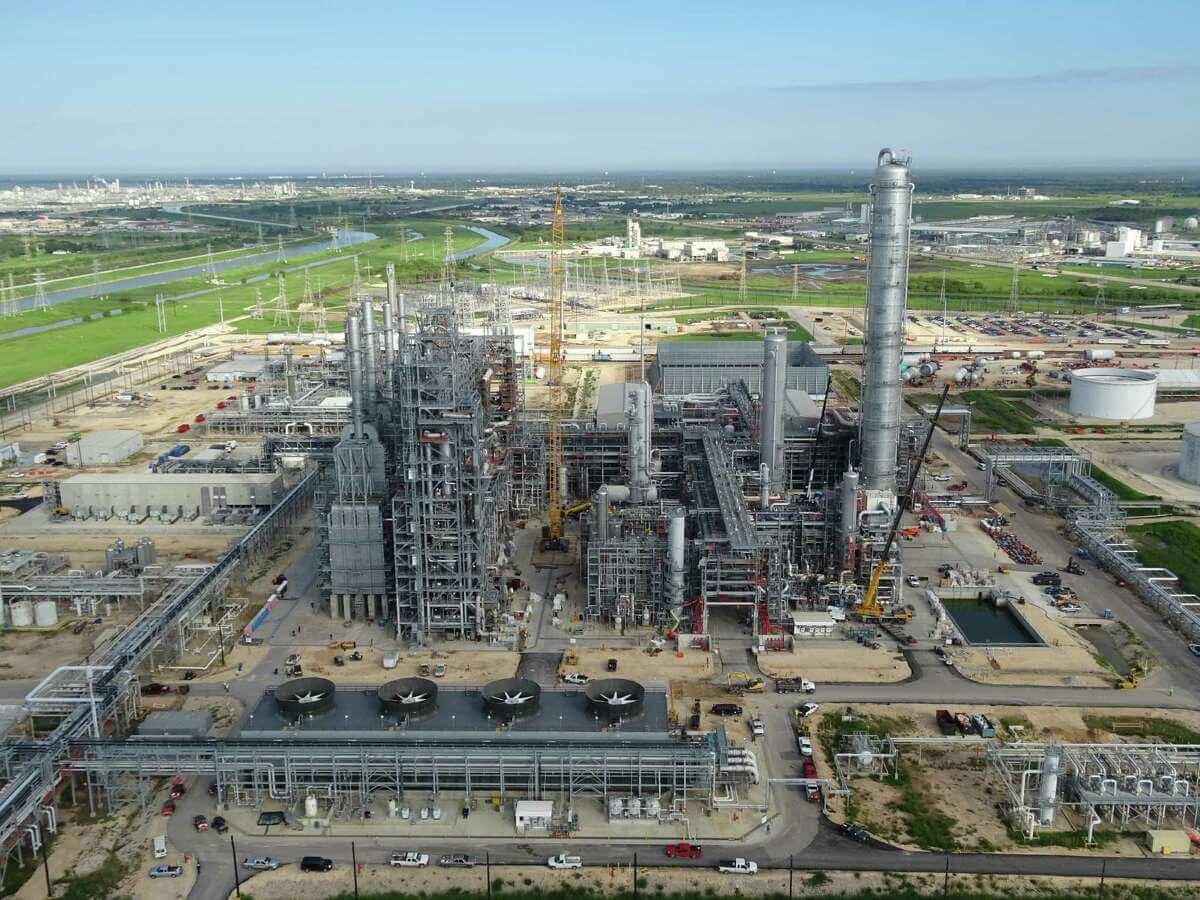
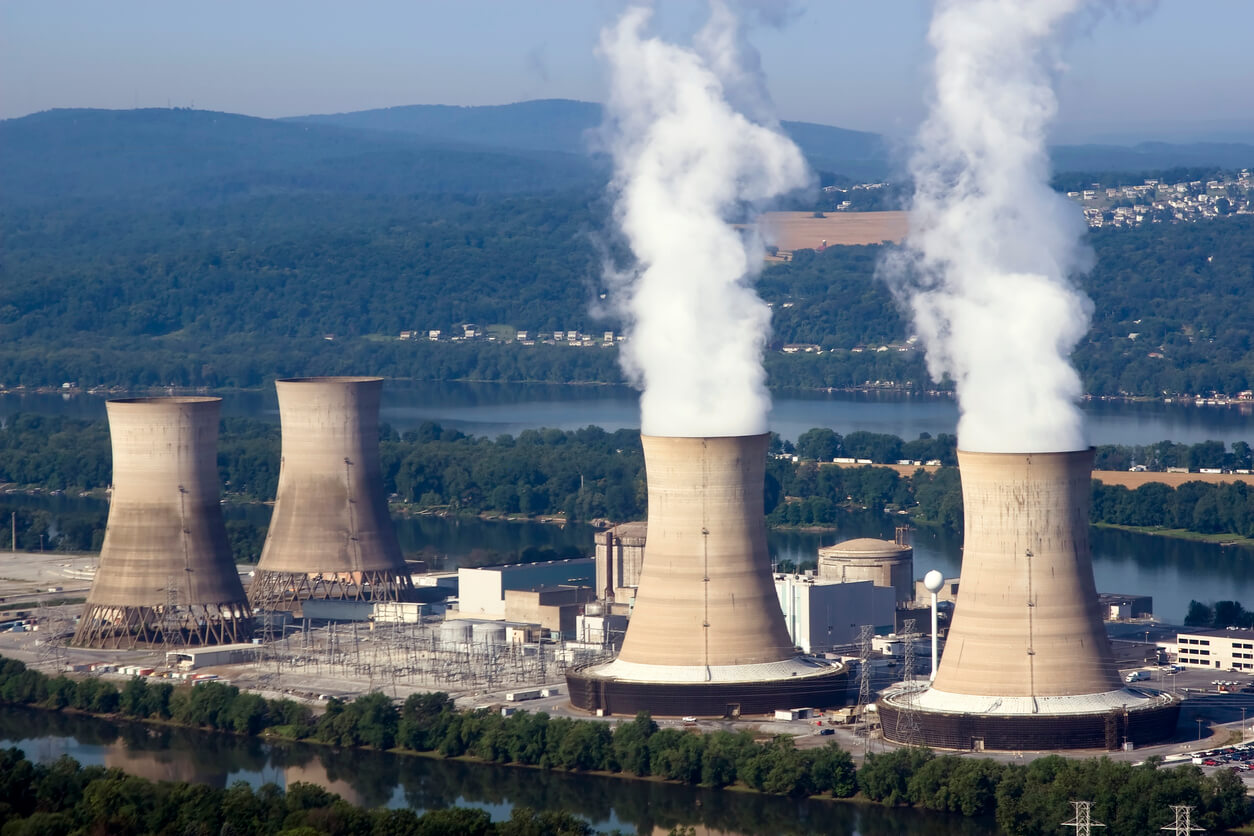
We need a market-driven competitive bidding process for technologies that can best co-locate and scale with data centers. That could mean Small Modular Reactors, which can safely generate zero emission electricity. It could be geothermal, which is becoming more cost-effective as it is deployed. It could be efficient natural gas. It could be solar arrays with batteries for when the sun isn’t shining. We want a diversified portfolio of baseload power that is as clean as possible.
Give us your most reliable, most affordable, most clean energy possible. The private sector would be helping to develop data centers and energy sources together, and industry gets an EZ Pass on permitting to allow experimentation.
The military has always been an early adaptor of new technology. In the decades after World War II, the Navy deployed nuclear power on subs and carriers that needed to be swift, silent, and safe. It has worked for decades, keeping our military far ahead of any competitors.
The same thing can happen once our country deploys new technologies on military bases and perhaps other federal installations. The Trump administration is dedicated to deregulation, and the rest of us stand to reap the benefits.